
Mercedes-Benz: close a German plant?
Mercedes-Benz's executive board must decide whether to name two German plants for closure, offer IG Metall the commitments it asks for in return for longer hours, or keep its freeze on investment in Germany
Original Business Case Weekly articleMercedes-Benz's executive board must decide whether to name two German plants for closure, offer IG Metall the commitments it asks for in return for longer hours, or keep its freeze on investment in Germany
In September Michael Schiebe, Mercedes-Benz's board member for production, warned that without lower costs Mercedes would "have to close one German assembly plant and one German powertrain plant" (Reuters). On 12 November he told staff that "the executive board has jointly decided to halt all further investments in German sites" (AFP). For four months Mercedes had negotiated with its general works council, which speaks for its German employees, and with IG Metall, Germany's largest industrial union, for longer hours at the same pay: reportedly 40 a week instead of 35 (heise). Schiebe said he saw "no path towards an agreement".
The board's next move, 15 November 2026
Mercedes says an hour of work at its German plants can cost up to five times as much as at sites in eastern Europe (Euronews). Forty hours for the pay of 35 would cut the cost of an hour by an eighth. In the third quarter the group made a net profit of €1.52 billion; its car business made an adjusted return on sales of 2.5 per cent, against 4.8 per cent a year earlier, and on 27 October Mercedes cut its forecast for that return this year to 2–3 per cent, citing China and higher material costs.
Mercedes assembles cars in Germany at Sindelfingen, Rastatt and Bremen and makes components at seven more sites; it has not said which might close. The freeze spares projects already under way (AMS).
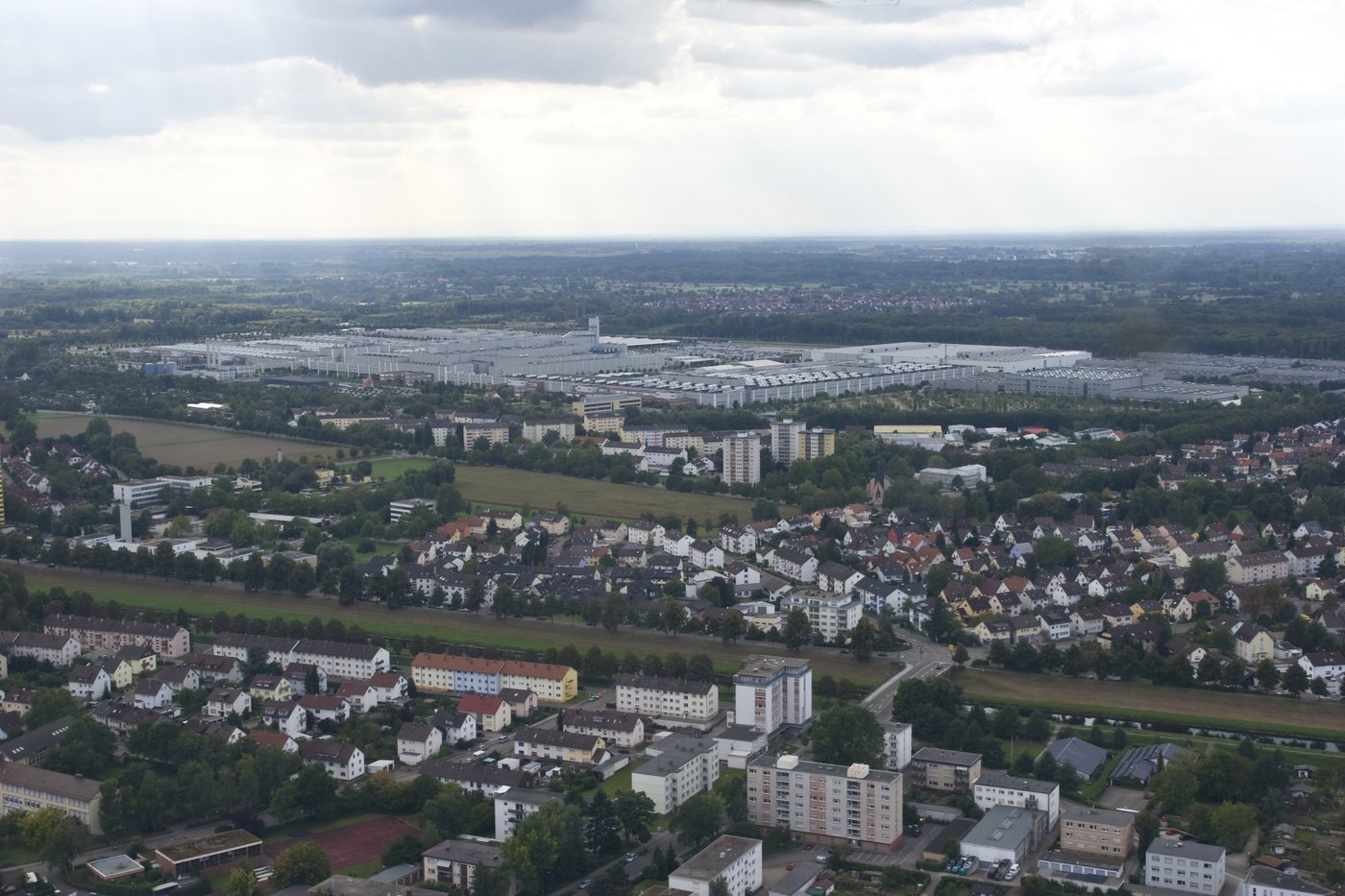
In March 2025 Mercedes agreed with the general works council that, as a rule, about 91,000 of the company's roughly 108,000 German employees cannot be dismissed for business reasons until the end of 2034 (All About Industries). Ergun Lümali, who chairs the general works council, said of the freeze: "We firmly reject plant closures, and we know how to defend ourselves." Barbara Resch, IG Metall's leader in Baden-Württemberg, said the union would accept no closures and asked for binding commitments on products and investment (ZDF).
The board has three options. It can name two plants and plan their closure: Mercedes cuts capacity in Germany and proves its warning serious; but unless the 2025 agreement is reopened, Mercedes must move the plants' staff or pay those willing to leave, and face resistance from the works council and IG Metall. It can offer IG Metall the commitments it asks for in return for longer hours: every plant stays open and the dispute can end; but Mercedes binds future investment to Germany and saves only what the works council and IG Metall accept. Or it can keep the freeze and close nothing: new money can go where costs are lower, and closure stays in reserve; but German plants lose work as their current models end, and an hour there costs what it did.
Your call
It is 15 November 2026 and you sit on Mercedes-Benz's executive board. Four months of talks with the general works council and IG Metall over longer hours have found no agreement, and the board has halted new investment in German plants. You can name two plants and plan their closure, offer IG Metall the commitments it asks for in return for longer hours, or keep the freeze and close nothing. Decide what the board does next, say what Mercedes and its German staff gain and give up under your plan, and name the fact or result that would change your mind.