Mattel: look for a buyer?
Mattel's board must decide whether to seek bids for the company or give its new chief executive time to show what it is worth alone
Original Business Case Weekly articleOn 29 September 2026 Ynon Kreiz resigned as chief executive of Mattel, the maker of Barbie and Hot Wheels, to join Paramount. On 1 October the Wall Street Journal reported that Authentic Brands Group, a brand-licensing company, had approached Mattel and was privately discussing an offer that could value Mattel at more than $20 a share, about $6 billion. The shares rose that day from $12.66 to $15.04. On 12 October Roger Lynch, a Mattel director since 2018, took over as chief executive.
A sale or a plan, 27 October 2026
The shares closed at $15.82 on 26 October; $20 would be 26 per cent above that and 58 per cent above the price before the report. In 2025 Mattel's sales were $5.35 billion and its net income $398 million, down from $542 million in 2024; its long-term debt was $2.33 billion. In the second quarter of 2026 it lost $18 million on sales 10 per cent higher, as tariffs and the royalties it pays cut its margin.
Southeastern Asset Management, whose clients held over 4 per cent of the shares in May, has pushed for a sale. In an open letter that month it urged the board to explore its options, arguing that Mattel was worth "approaching $30" a share. On 21 October Semafor reported that Southeastern was considering nominating directors, generally two, for the 2027 annual meeting; nominations open on 28 January.
On 21 October the board also gave a seat to Mattel's largest shareholder, EdgePoint Investment Group, whose funds hold 17.7 per cent. Under a co-operation agreement, EdgePoint's Lee Matheson joined the board, now ten strong, and EdgePoint agreed to back the board's nominees, not its own, while he serves. On any sale the board does not back unanimously, EdgePoint may vote as it likes.
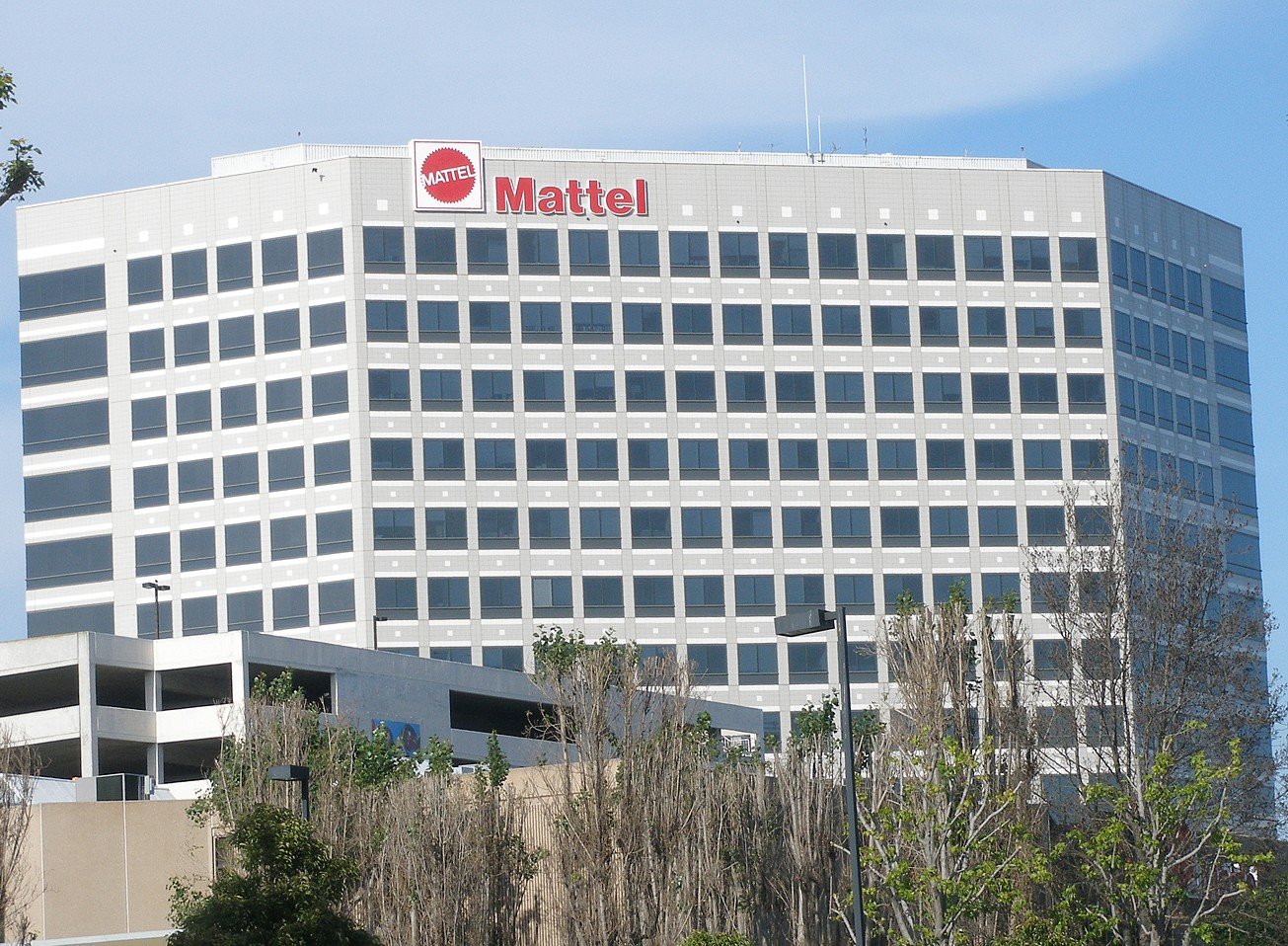
Mattel reports third-quarter results on 5 November; Lynch has not yet set out a plan. The board has three options. It can open a sale process now, privately inviting Authentic and others to bid: shareholders could be offered more than $20; but Mattel would go on sale before Lynch had run it for a quarter, and if Authentic walked away the shares could fall back towards $12.66. It can rule out a sale and present Lynch's plan with the results: Lynch would get time to show what Mattel is worth alone; but Authentic may walk away, the shares could give back some of their gain and Southeastern would have more reason to nominate directors. Or it can announce a review of all options with the results: the board would weigh Lynch's plan against any bids, as Southeastern asked; but Mattel would then be seen to be for sale, and a review without a buyer could hit the shares.
Your call
It is 27 October 2026 and you sit on Mattel's board. The Wall Street Journal reported on 1 October that Authentic Brands Group was discussing an offer that could value Mattel at more than $20 a share; the shares closed at $15.82 on 26 October. You can open a sale process now, rule out a sale and present Lynch's plan with the results on 5 November, or announce a review of all Mattel's options with those results. Say what you recommend, what Mattel's shareholders, Southeastern among them, gain and give up under the option you choose, and name the fact or result that would change your recommendation.