Evonik: open the books to BASF?
Evonik's executive board must decide whether to show BASF its figures before BASF has named any higher price
Original Business Case Weekly articleOn 25 September 2026 Evonik Industries, a speciality-chemicals maker based in Essen, confirmed a non-binding takeover approach from BASF, its larger German rival. BASF proposed €22.15 a share, or €10.3 billion, and Evonik turned it down as too low, people close to the negotiations told Reuters. BASF would not comment on the price, saying its offer rests on "a potential for synergies that can only be verified if Evonik is involved".
Opening the books to BASF, 22 October 2026
Evonik's shares closed at €18.07 on 24 September, the day before the approach became public. On 14 October a person familiar with the matter told the German news agency dpa-AFX that BASF was ready to discuss a higher offer, "but only after a look at the books"; the shares stood at €21.68, still below BASF's price.
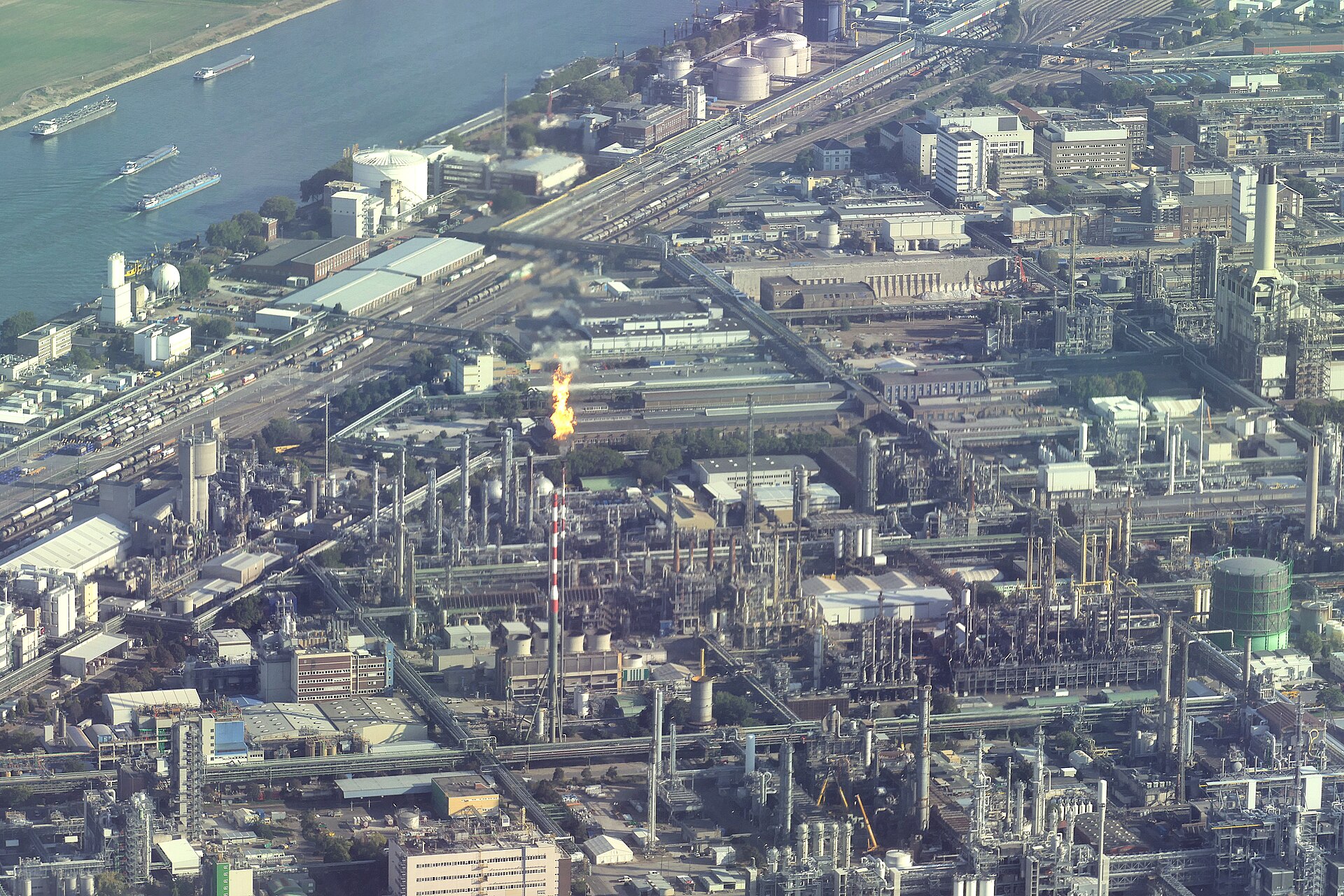
In 2025 Evonik's sales fell 7 per cent, to €14.1 billion; BASF's were €59.7 billion. Evonik's net income rose from €222 million to €265 million, and its adjusted EBITDA, a measure of operating profit, was €1.87 billion.
The RAG Foundation, Evonik's largest shareholder with 43–44 per cent, pays the perpetual costs left by German hard-coal mining. In June it said it expected less from Evonik's dividend, which Evonik had cut from €1.17 to €1 a share for 2025. The foundation had planned to keep 25.1 per cent, enough to block major decisions, but said on 30 September that it might sell everything with its trustees' approval. Politicians and union leaders dominate that board. On 14 October the government of North Rhine-Westphalia, Evonik's home state, said it opposed a takeover.
People close to BASF said on 12 October that BASF would honour the agreements Evonik has with its staff, which rule out compulsory redundancies in Germany until 2032. Evonik reports third-quarter results on 3 November.
The board has three options. It can open its books to BASF now, under a confidentiality agreement: BASF could then offer all shareholders more, but whether or not it did, a rival would have seen Evonik's figures. It can keep the books closed and make its case for independence with the results on 3 November: no rival sees its figures and the results can set out Evonik's own value first, but BASF can still court the foundation directly, and if BASF walks away the shares may lose much of what they have gained since 24 September. Or it can offer access only in exchange for a written minimum price and a written undertaking on jobs: shareholders and staff would have commitments before any figures change hands, but BASF may refuse to name a floor before it has looked, and if it agrees, it would still see the same figures.
Your call
It is 22 October 2026 and you sit on Evonik's executive board. Evonik turned down BASF's non-binding approach at €22.15 a share as too low, and BASF says it can verify synergies only if Evonik is involved. You can open your books to BASF now under a confidentiality agreement, keep them closed and make the case for independence with the results on 3 November, or offer access only in exchange for a written minimum price and a written undertaking on jobs. Decide what to do; say what Evonik's shareholders, the RAG Foundation among them, and Evonik's staff gain and give up; and name a fact or result that would change your mind.