Novo Nordisk
A case study in being graded on the outcome
Original Business Case Weekly articleExecutive Summary
Novo Nordisk earns most of its money from diabetes: DKK 207.1 billion of its DKK 309.1 billion of sales in 2025, about $48 billion at the 6.4 kroner to the dollar used throughout this case. Its share price, though, follows obesity, which brought in DKK 82.3 billion [1].
The reason is uncertainty. Diabetes is a disease every health system pays to treat, so its market grows roughly with the number of patients. Obesity drugs are different: an insurer can refuse to pay for them and a patient can stop taking them, so nobody yet knows how large that market will be. Investors value the company on forecasts, and every trial result moves them.
Some of those forecasts come from the company itself. Its head of development had told investors that CagriSema, the drug meant to succeed its obesity injection Wegovy, would take off at least 25 per cent of body weight. On 20 December 2024 the trial met its main goal with an average loss of 22.7 per cent, and the shares lost about a fifth of their value that day [2][3]. A judge later called the 25 per cent an aspiration. The market had treated it as a promise.
In most listed companies a fall like that brings out a buyer, and the board answers to whoever might bid. Who owns Novo Nordisk, and so who decides after a miss, was settled long before Wegovy; the case begins with that decision.
A Detour to Toronto, 1920-1925
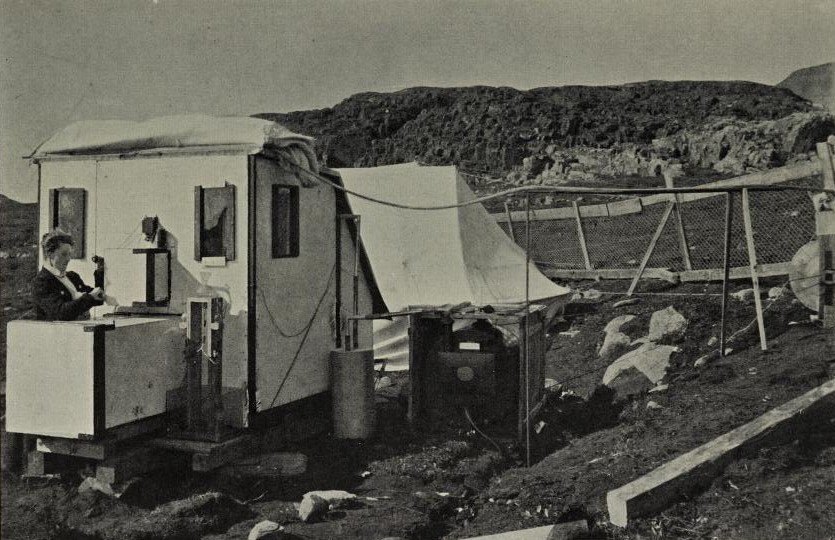
In November 1922 August Krogh, a Danish professor of physiology who had won the Nobel Prize two years earlier, was lecturing in the United States. His wife Marie travelled with him. She was a physician and researcher who had worked beside him for two decades, and she had diabetes, which in 1922 meant a near-starvation diet and, in its severe form, death within a few years. A group in Toronto had just produced a treatment that worked, and she asked him to go there. From 23 to 25 November the Kroghs were the guests of John Macleod, professor of physiology at the University of Toronto, who with Frederick Banting and Charles Best had produced insulin, an extract of pancreas that lowered blood sugar in people [4].
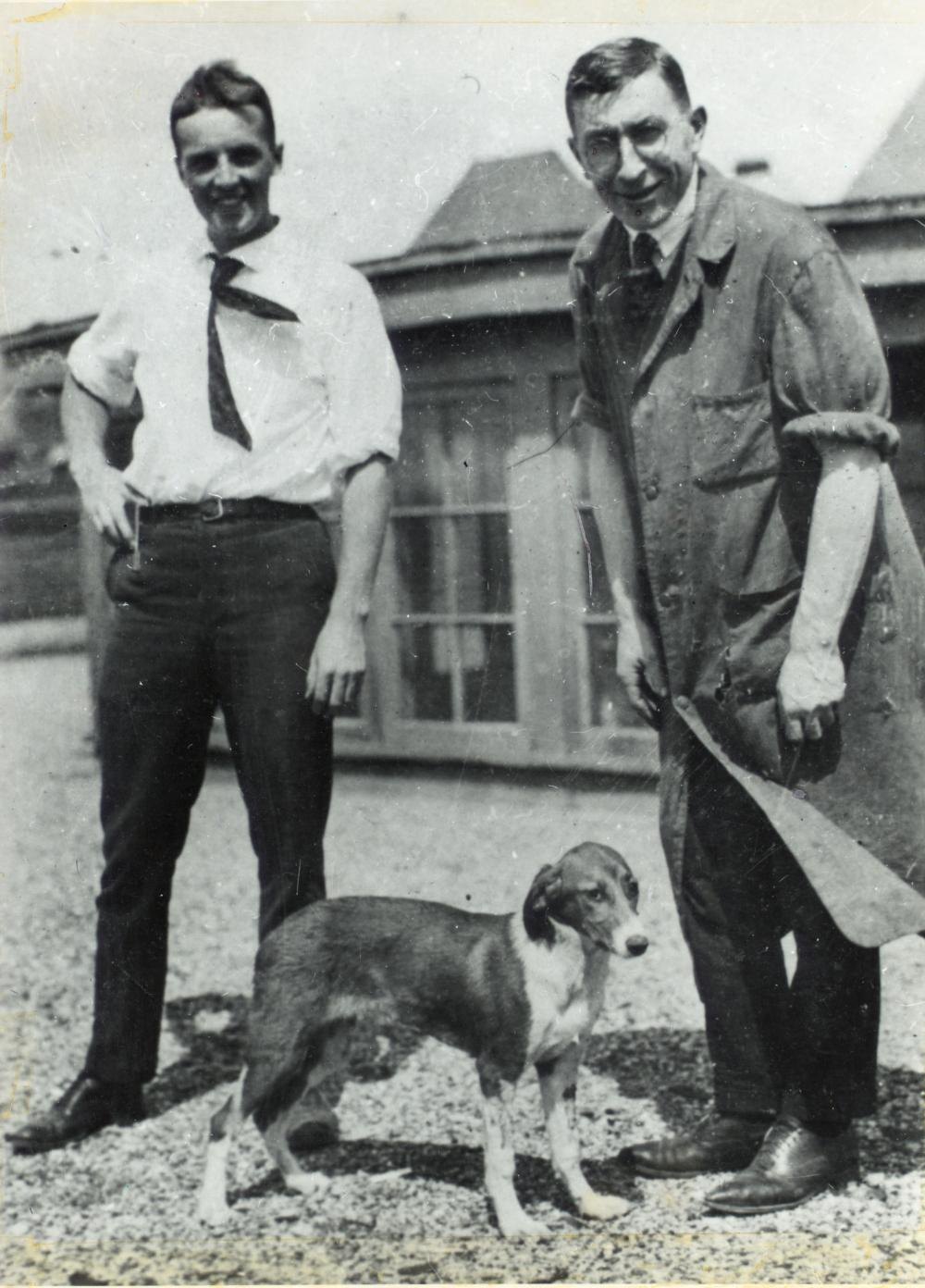
Krogh left Toronto with the university's licence to make insulin in the Nordic countries. He was back in Copenhagen in December, and the first Danish patient was treated with insulin on 13 March 1923 [4].
Krogh now held a commercial position of a rare kind. Insulin was not a better version of something patients already had. It was the difference between dying within a few years and living, and demand for it in the Nordic countries was limited only by how fast it could be made. He had the licence and the standing of a Nobel laureate, but no factory and no capital.
He could use that position in three ways. He could license the process to an established pharmaceutical house, take a royalty and go back to his laboratory, the safe course for a professor of physiology who had never run a factory. He could build an ordinary company and own shares in what promised to be a valuable business, raising outside capital against demand that was certain. Or he could put the enterprise inside a foundation, so that it had no owners in the usual sense and its surplus went to research rather than to shareholders.
The third route was already respectable in Denmark. The Carlsberg Foundation, set up in 1876, had owned the Carlsberg brewery since 1887 and spent the brewery's profits on science [19]. The route also had costs: a foundation cannot easily raise equity, cannot reward its founders or staff with shares and answers to a charter rather than to a market.
Krogh went into partnership with Hans Christian Hagedorn, a physician who had been working on ways to measure blood sugar, and August Kongsted, who ran a pharmaceutical company and put up the money to start production [4]. Kongsted's money settled who would pay for the first factory. It did not settle who would own the business.
Your call
It is early 1923 and you hold the only licence to manufacture insulin in the Nordic countries. The medicine is the difference between dying within months and living, demand is limited only by production, and you have a Nobel Prize, a partner who can measure blood sugar, a pharmacist willing to fund it, no factory and no commercial experience. You can license the process on to an established pharmaceutical house for a royalty and return to your laboratory. You can build an ordinary company, raise capital against certain demand, and own shares in it. Or you can place the whole enterprise in a foundation, which cannot easily issue equity, cannot pay its founders in stock, and answers to a charter rather than to owners. Choose the structure, say who you expect to be arguing with in twenty years and about what, and name the first thing that would tell you the structure was wrong.