
Braun
A case study in design as corporate religion, and what happens when that religion gets acquired
Original Business Case Weekly articleBraun, in 2026, is four things at once: a P&G grooming brand, an Italian small-appliance brand, thermometers brand, and a British audio brand. While the consumer goods brand “Braun” is historically famous, it is actually split into separate companies today due to licensing and acquisitions. These companies only share a logo and a museum in Kronberg.
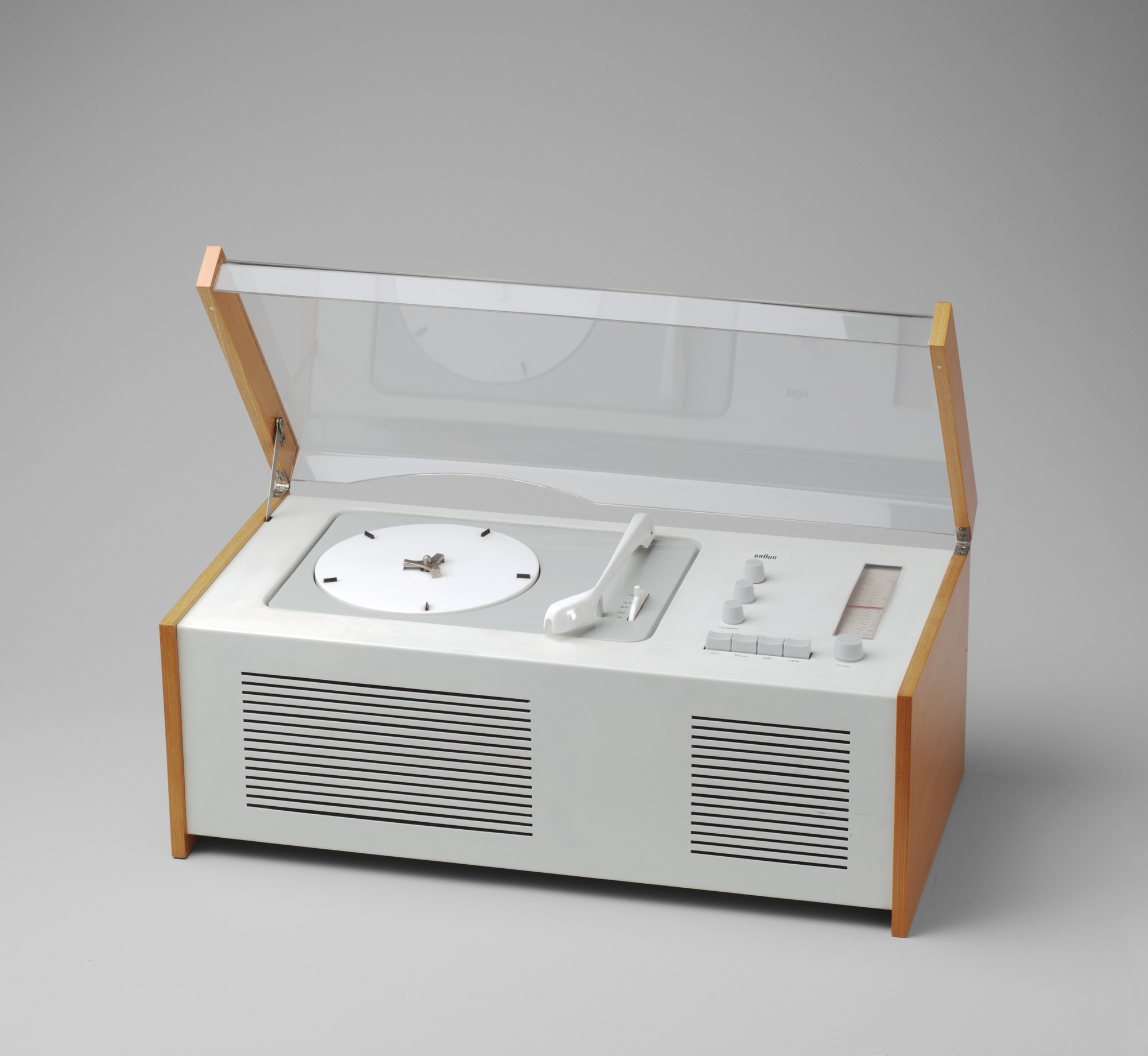
Which is fascinating, because for about forty years, from 1955 to 1995, Braun was the most ideologically intact design company in the world that engineered everything inhouse. It was the place that taught Steve Jobs and Jony Ive what a product was supposed to look like. It was where two German brothers, traumatized by the war, decided that you could build a successful electrical-appliance business by hiring an architect, a film director, and a school of philosophy-adjacent design professors, and letting them tell engineers what to do.
That is the story I want to tell: how one of the great cultural artifacts of 20th-century capitalism got built, sold, and slowly turned into a licensing brand. It is the most useful business case I know about what design actually is, what it costs to maintain, and what gets lost when you stop paying for it.
A Death in Frankfurt, 1921-1951
On the morning of November 6, 1951, Max Braun collapsed at his desk in the Idsteiner Strasse factory in Frankfurt and died.
He was 61. His company, which he had built up from a one-apprentice belt-repair workshop in 1921 to a 150-person electrical appliance maker, had just patented two products that would define the next half-century of the business: the S 50 dry shaver and the Multimix kitchen blender, both filed in 1950 [7, 11, 12].
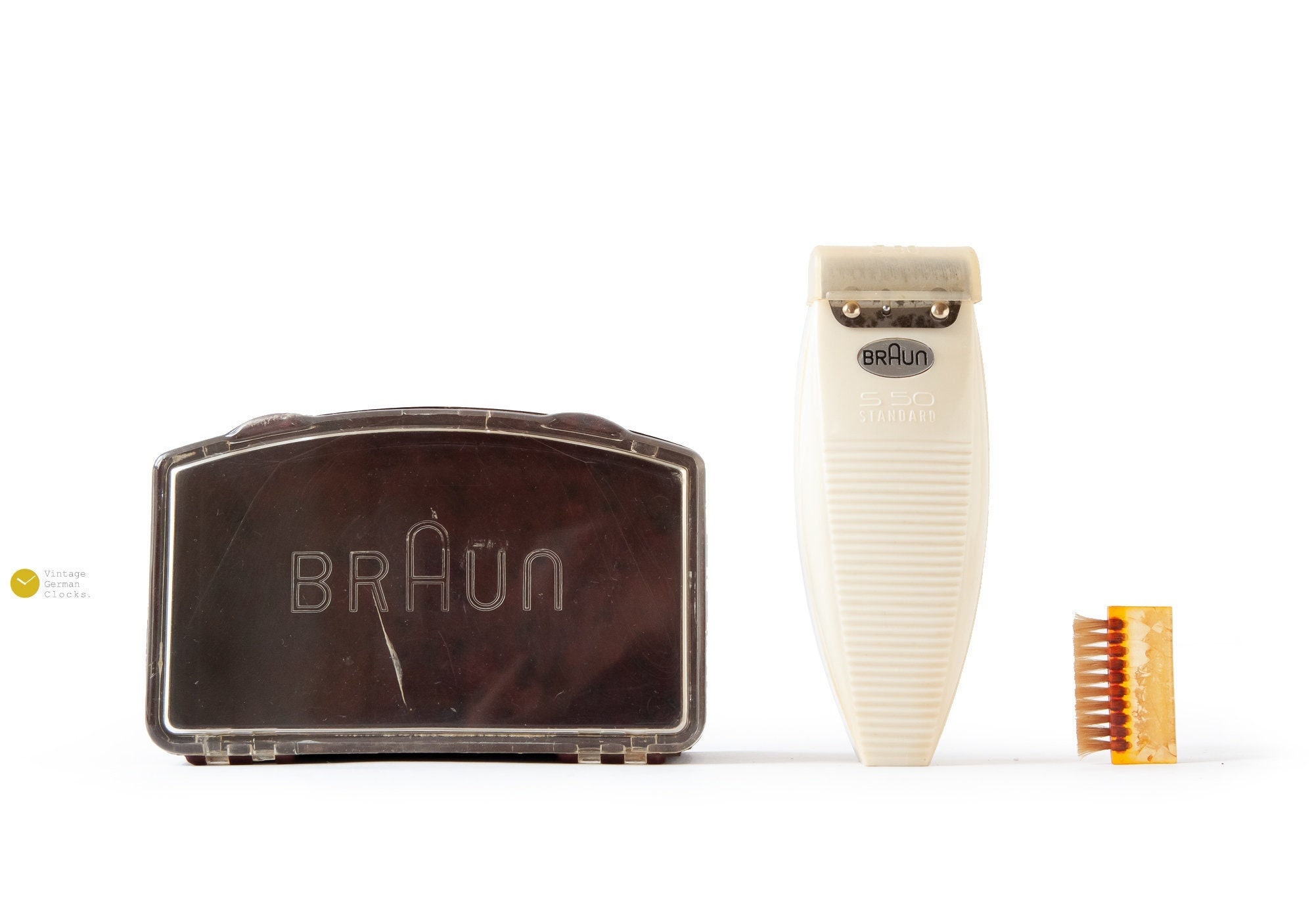
He did not live to see either sell. His two sons, Artur, 26, and Erwin, 30, who had joined the company the year before, suddenly owned a war-damaged Frankfurt factory, a pile of unfinished consumer-electronics designs, and 150 employees who were still rebuilding bombed-out production lines [13, 14]. They had eight months to decide what kind of company they wanted to run.
Max Braun was the sixth of seven sons of a sailor and farmer from East Prussia.
He left home at 14 to apprentice at a machine-building company, lived in Hamburg, was drafted into the German army in 1910, and after his service worked at AEG and Siemens before opening his own workshop in 1921 with one apprentice [11].
By 1923 he had pivoted into radio components, riding Germany’s brand-new radio broadcasting industry. He pioneered plastic-molded radio parts in 1925, built complete radio sets by 1929, and by 1932 launched the Cosmophon 777, one of Europe’s first combined radio-and-record-player units, called a radiogram [1, 9].
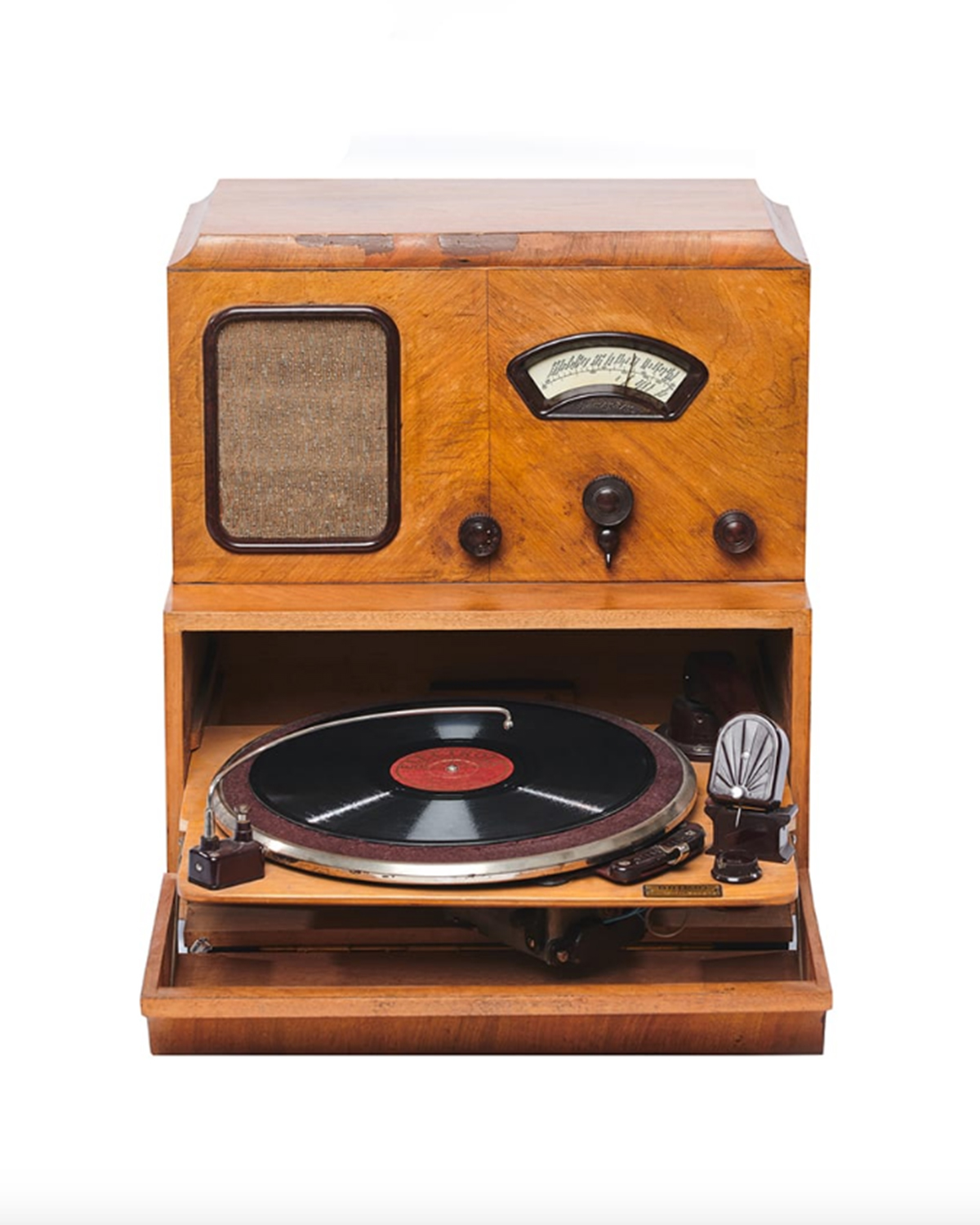
By 1935 the Braun logo, with its distinctive raised “A,” was registered [1]. He had grown the workforce from 20 to 400 by the late 1920s and was exporting to France, Spain, Tunisia, Morocco, and the Netherlands. He was, in the language of the day, a manufacturing entrepreneur who built things that worked.
Then the war came, the factories were ordered into military production, Allied bombing destroyed the Frankfurt plants in 1944, and Max Braun spent the postwar years rebuilding [1, 7]. By 1950, he had returned to producing flashlights, radios, and his two new bets, the foil shaver and the kitchen blender, both of which he saw as the consumer future. He died, in his office, the year after filing those patents.
After their wartime experiences under the harsh Nazi regime, the brothers longed to establish a new work model that respected people. They quickly began to offer their employees comprehensive health care.
Cooper Hewitt Smithsonian Design Museum, on Artur and Erwin Braun after 1951 [14]
What Artur and Erwin did in the eight months after their father’s death is the founding decision of modern Braun. Artur, 26, the engineer who had helped his father develop the foil shaver, took the technical side. Erwin, 30, the business-school graduate, took marketing and finance. Both had served as conscripts during the war. Both came back convinced that the German manufacturing tradition their father represented (competent, conservative, ornamental) was insufficient.
They wanted to build a different kind of company. They redesigned the entire product line with a new philosophy: attractive, functional, simple [13]. This was the founding scene. There was no consumer survey saying Germans wanted minimalist radios. Postwar German consumers wanted woodgrain music cabinets that looked like furniture, and the entire German radio industry was happy to sell them that.
Your call
You are Artur and Erwin in late 1951. You have inherited a war-recovering factory, a payroll of 150 people, two unfinished new product categories (foil shaver, blender), and no design philosophy beyond your father’s solid-engineering instincts. Domestic competitors are all selling ornate “music furniture” radios that consumers actively prefer. Do you double down on what’s selling, or do you bet the inheritance on a radical aesthetic that the market has not asked for? What does your answer assume about how preferences form?