
Red Bull
The Toothpaste Salesman Who Sold the World a Drink It Hated
Original Business Case Weekly articleA case study in category creation, anti-marketing, and the economics of staying private.
Most companies find a market and serve it. Red Bull had no market. Focus groups hated the product. Regulators blocked it. Consumers thought the active ingredient came from bull testicles. Dietrich Mateschitz, a 41-year-old Austrian toothpaste marketer with no entrepreneurial background and no beverage experience, spent $500,000 of his own money and three years fighting to get the drink approved in a single country. He then spent the next 35 years turning that rejected drink into a €12.2 billion privately held empire that outsources production, owns Formula 1 teams, dropped a man from the stratosphere, and has never taken on a cent of debt.
A Toothpaste Salesman in Bangkok, 1944–1984
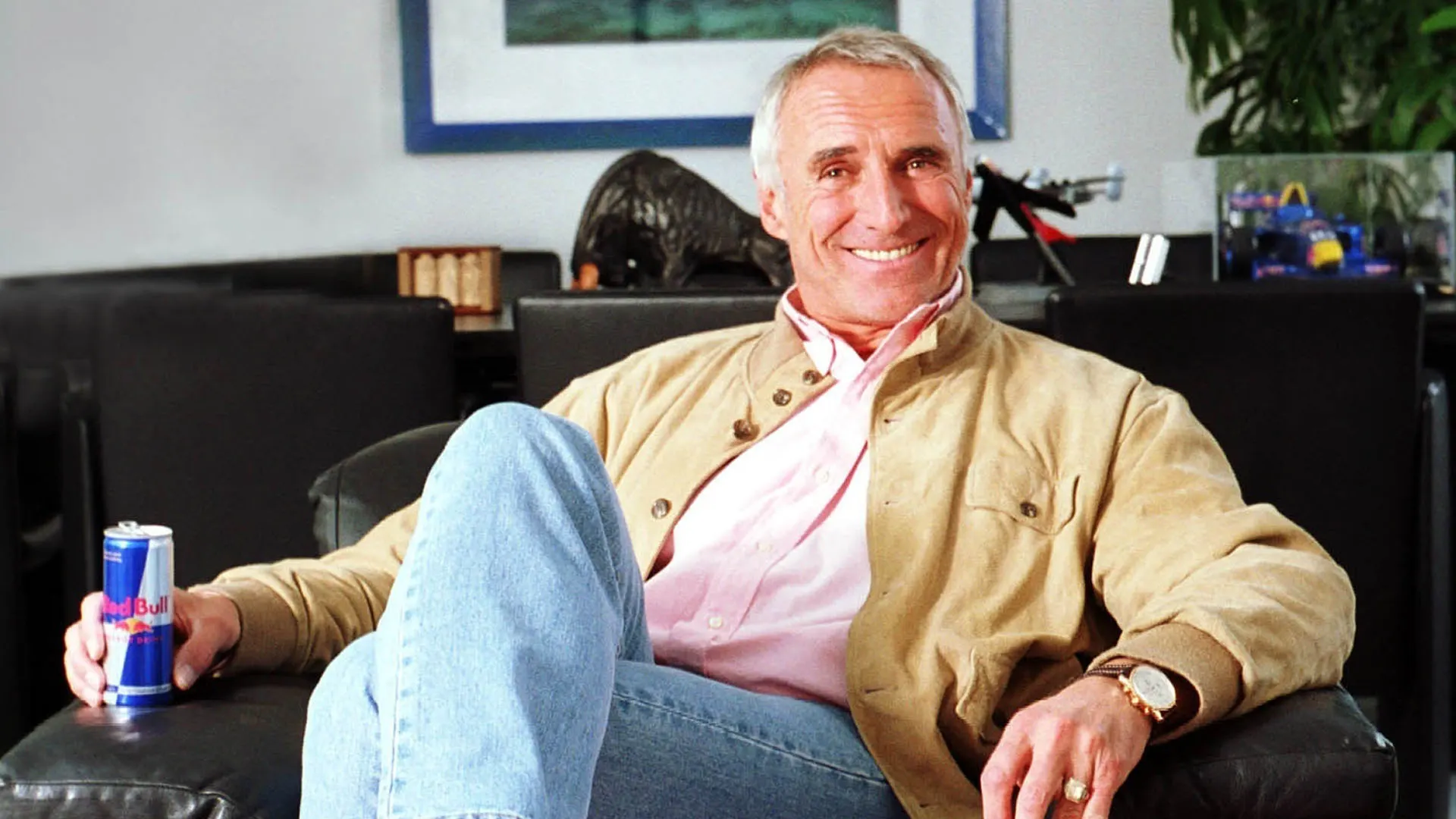
Dietrich Mateschitz was born on May 20, 1944, in Sankt Marein im Mürztal, a small Austrian town north of Graz. His parents were schoolteachers who separated when he was young. He grew up largely independent, supporting himself through ski instruction and manual labor while stretching a marketing degree at the Vienna University of Economics and Business over a full decade. He graduated at 28. [1]
His first job was selling detergent for Unilever. He moved to Blendax, a German cosmetics company, where he rose to international marketing director for their toothpaste line. By 38, he was flying across the world in grey suits, attending grey meetings, sleeping in interchangeable hotel rooms. The monotony was crushing him.
I asked myself whether I wanted to spend the next decade as I’d spent the previous one.
Dietrich Mateschitz, Bloomberg [2]
In 1982, on a Blendax business trip to Thailand, Mateschitz arrived jet-lagged in Bangkok. A colleague handed him a small bottle of Krating Daeng, a syrupy, non-carbonated tonic popular among truck drivers and factory workers. The jet lag vanished. Mateschitz was 38, terrified of spending his remaining career years in corporate comfort, and suddenly electrified by a product nobody in Europe had heard of.
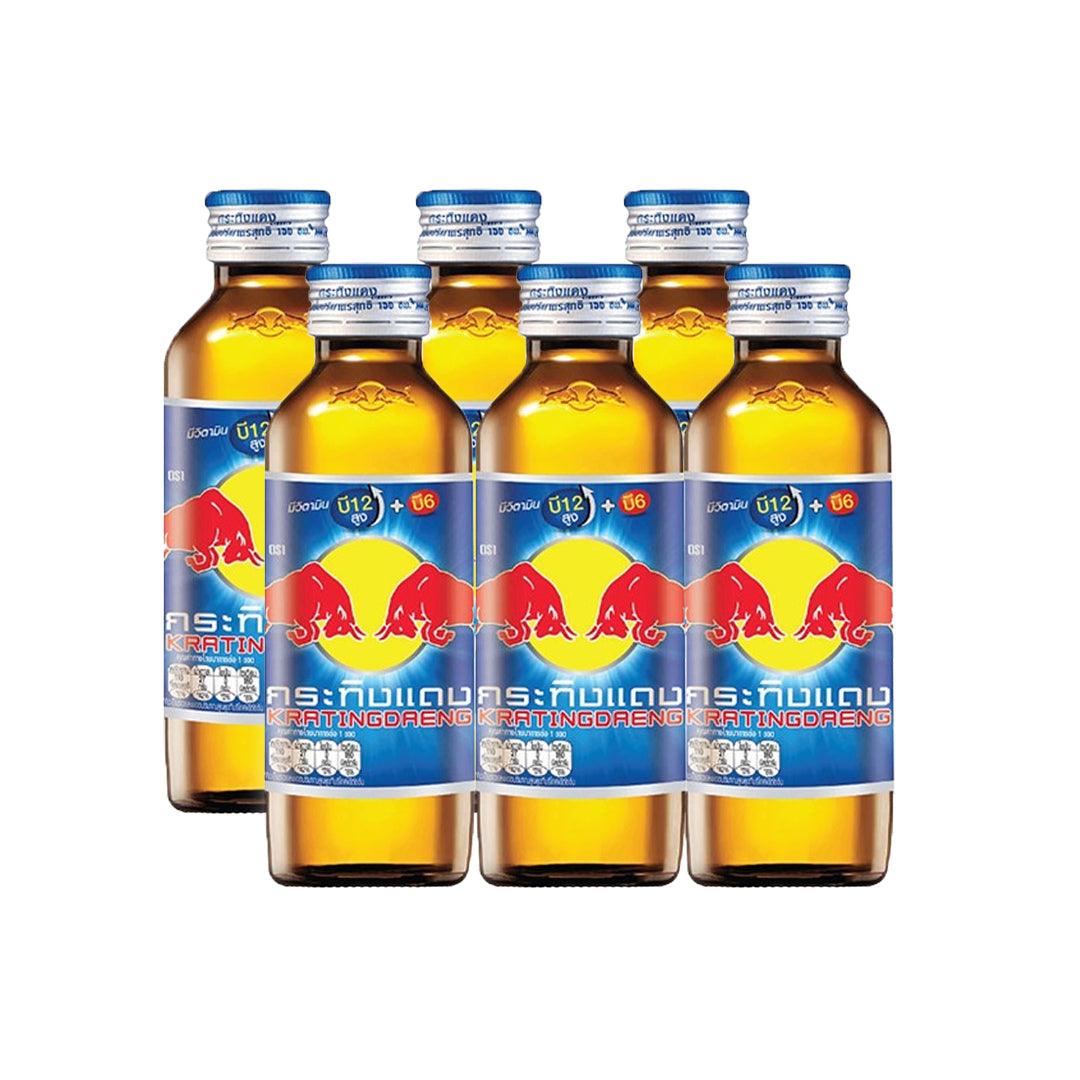
Krating Daeng was created in 1976 by Chaleo Yoovidhya, a self-made Thai pharmaceutical entrepreneur who had grown up as a duck farmer’s son. His company, T.C. Pharmaceutical Industries, had adapted the formula from Japan’s Lipovitan energy tonic, loading it with caffeine, taurine, and B-vitamins. Krating Daeng means “red gaur” in Thai, after the muscular wild bovine native to Southeast Asia. It was already a hit across Asia’s working class.
Mateschitz tracked down Chaleo with a bold proposition. In 1984, they formed Red Bull GmbH. Each invested $500,000 of personal savings. Chaleo and Mateschitz each took 49% of the company, with the remaining 2% going to Chaleo’s son Chalerm. The critical clause was that Mateschitz would run the company. [3]
At 41, with no entrepreneurial track record, Mateschitz had bet his entire savings on adapting a Thai trucker’s tonic for Western consumers. He had no product, no regulatory approval, and no market to sell into.
Your call
If you were Mateschitz in 1984, would you have quit a senior corporate marketing position to bet your savings on a drink that tastes medicinal, contains unfamiliar ingredients, and has no equivalent product category in Europe? What would need to be true for this bet to work?