
Hilton
The Innkeeper Who Bought a Hotel Instead of a Bank, Lost It All & Won It Back
Original Business Case Weekly articleA case study in generational reinvention, asset-light transformation, and the compounding value of brand.
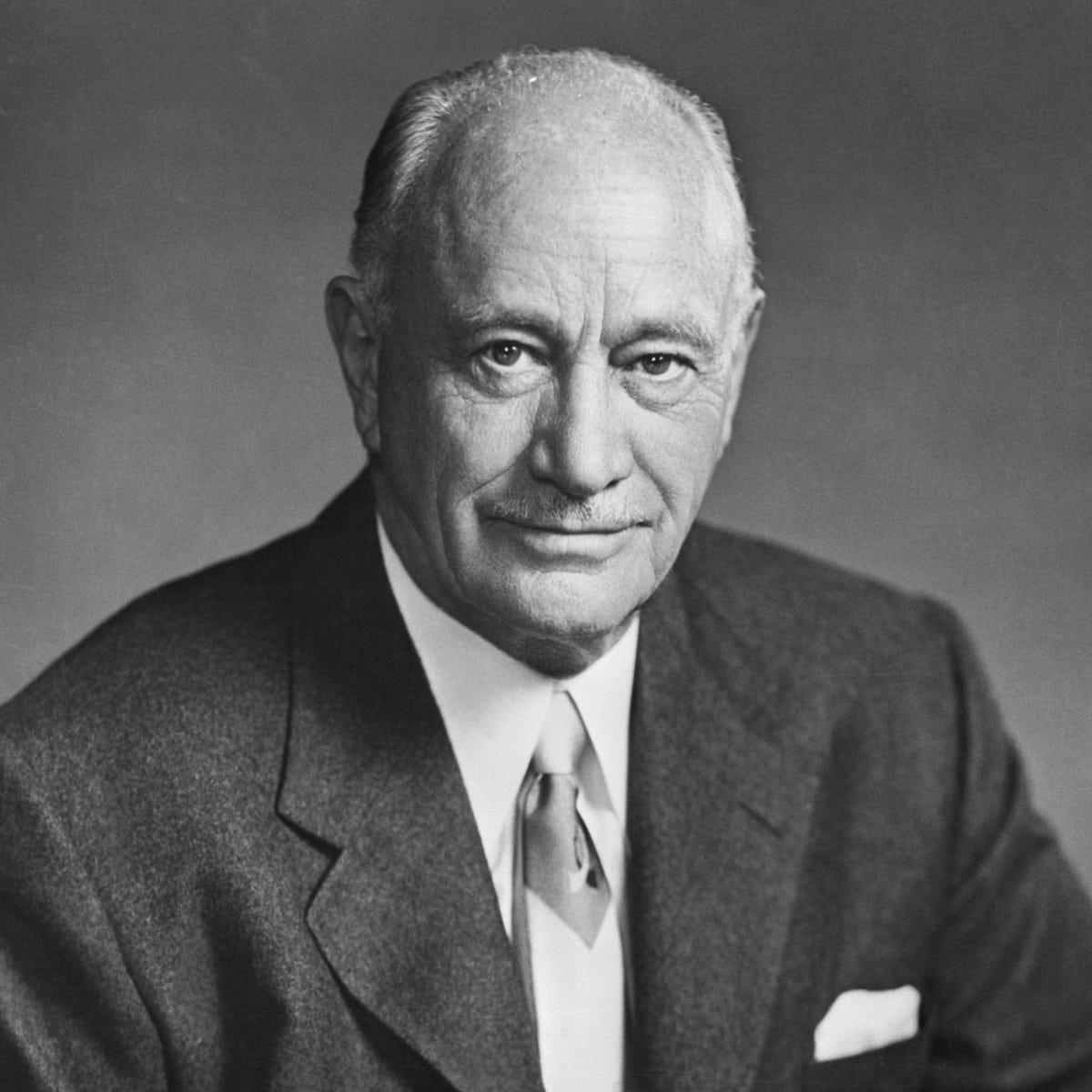
Conrad Hilton walked into a dusty Texas hotel in 1919 planning to buy a bank. He bought the hotel instead. Over the next century, the company bearing his name would survive the Great Depression, become the world’s first international hotel chain, get taken private in the largest hospitality leveraged buyout ever, nearly die in the 2008 financial crisis, and emerge as a $74 billion fee-based machine that doesn’t own a single hotel. Along the way, two generations of Hiltons would fight bitterly over the family fortune, a great-granddaughter’s tabloid behavior would reshape a billionaire’s estate plan, and a stolen set of documents would trigger one of the ugliest corporate espionage cases in hospitality history. This is a case study about what happens when an iconic brand outlives its founders, survives its worst decisions, and gets rebuilt by people with no sentimental attachment to how things used to work.
A Banker Who Couldn’t Buy a Bank, 1887–1925
Conrad Nicholson Hilton was born on Christmas Day, 1887, in San Antonio, New Mexico Territory, to a Norwegian immigrant father who ran a general store. Augustus Hilton was a pragmatic, physically imposing man who taught his son to trade goods with ranchers and miners. Conrad’s mother, Mary Laufersweiler, a devout Catholic of German descent, supplied the other half of his operating system. She taught him to pray before every major decision, a habit he maintained for the rest of his life.
Conrad’s early career was scattered. He clerked, traded, speculated, and at 25 won a seat in New Mexico’s first state legislature. He found the political game distasteful and quit. In 1913, he opened the New Mexico State Bank of San Antonio but was considered too young to serve as its chief executive. When World War I broke out, he sold the bank, enlisted, and served as a lieutenant in the Quartermaster Corps in France. He came home in 1919 at age 31 with $5,000 in savings and a plan to buy a bank in Cisco, Texas, where the oil boom was making fortunes overnight.
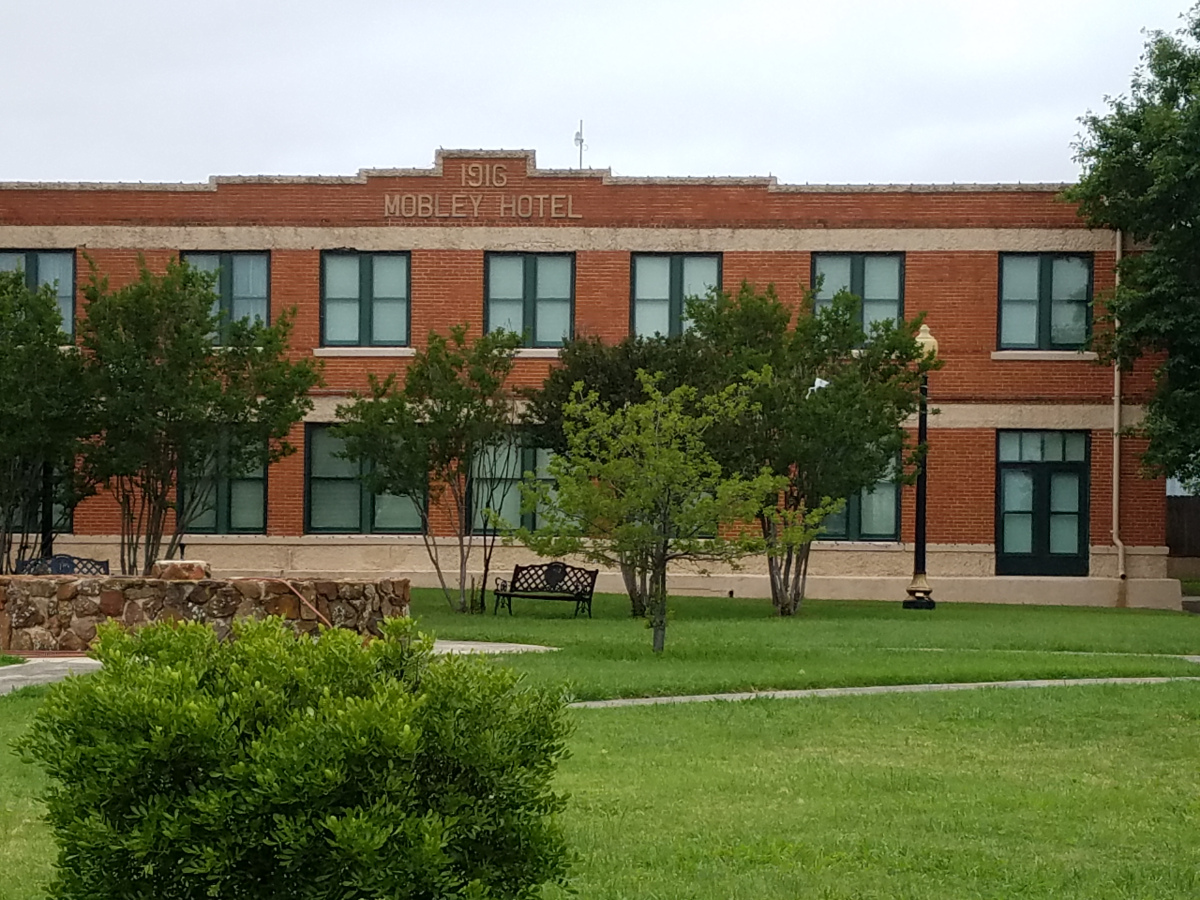
The bank’s owner raised the price at the last minute. Conrad walked out of the negotiations and across the street to a two-story red brick building called the Mobley Hotel. The lobby was packed with oil workers waiting in line for a bed. Owner Henry Mobley was renting his 40 rooms in eight-hour shifts, achieving 300% occupancy. Mobley wanted to get into oil. Conrad wanted to get into something.
It looked like a convenient place to sleep. Nothing more.
Conrad Hilton, Be My Guest, 1957
Your call
If you were Conrad Hilton in 1919, standing in the lobby of the Mobley Hotel after your bank deal just collapsed, what signals would you need to see before pivoting from banking to hospitality? How would you evaluate whether the oil boom demand was temporary or structural?