Substack
Alternative to attention economy
Original Business Case Weekly articleSubstack began in 2017 as a lean attempt to give writers a way to charge readers directly for emailed newsletters.
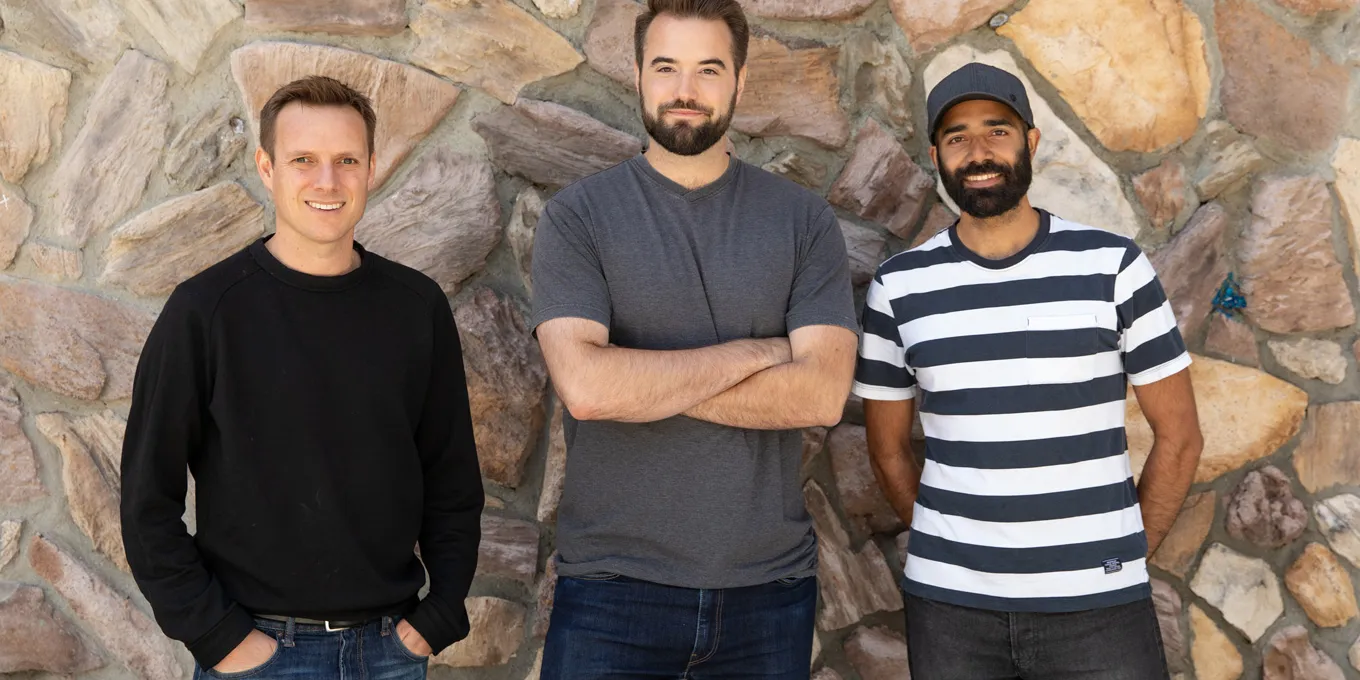
The founding team – Chris Best (former co‑founder of messaging app Kik), journalist Hamish McKenzie and technical architect Jairaj Sethi – shared a frustration with online media.
Advertising‑driven platforms optimised for attention, not quality, and the economics made professional writing precarious. Their hypothesis was simple: if a platform focused on subscriptions instead of ads, creators could earn a living, readers could support work they valued and both could escape the engagement treadmill.
This case traces the company’s evolution through January 2026, examining the context behind each inflection point, the choices made by its leaders, the alternatives they considered and the consequences that followed.
Building the Subscription Platform (2017‑2019)
Context
Substack’s origin story traces back to 2017, when Chris Best and Hamish McKenzie began grappling with the troubled state of online media. Best had drafted a “manifesto” decrying how ad-driven social media incentives were fueling “bad behaviors” in journalism and online discourse.
The prevailing wisdom said that news should be free and supported by advertising. Platforms such as Facebook and Twitter optimised algorithms to maximise time spent rather than quality of content. Writers who wanted to build independent businesses faced technical barriers: billing, email delivery, analytics and customer support were all hard.
Mainstream outlets, chasing virality on algorithmic feeds, were trapped in an “attention economy” that rewarded outrage over substance. In conversations with McKenzie, the two converged on a solution: shift the economic model to put readers – not advertisers – at the center[7]. If writers could be paid directly by their audience through subscriptions, they would be free to focus on quality content rather than clickbait. This insight laid the foundation for Substack’s model.
In mid-2017, Best and McKenzie officially teamed up, soon adding a third co-founder, Jairaj Sethi, as technical lead. The startup entered Y Combinator’s accelerator program in 2018, securing a $2 million seed round from investors like The Chernin Group and Andreessen Horowitz’s Andrew Chen.
Skeptics abounded. “No one’s going to pay for newsletters… there’s so much free content on the internet,” was a common refrain. The founders themselves weren’t certain people would subscribe in large numbers. Their initial choice was to focus narrowly on paid newsletters (as opposed to ad-supported content or a social-media-style platform) – a bet that reader willingness to pay would scale.
To prove the model could work, they targeted established independent voices, such as Bill Bishop’s Sinocism newsletter on Chinese politics, and offered them advances funded by Substack’s own capital. Instead of building broad features, the company prioritised reliable email delivery and an intuitive publishing interface.
Alternatives Considered
Advertising model: The team could have adopted a hybrid model combining ads with subscriptions. Competitors like Patreon allowed creators to monetize through memberships while still accepting sponsorships. An ad‑supported approach might have accelerated revenue but risked undermining trust and pushing the platform toward click‑bait, as Chris Best warned against reducing audiences to a commodity.
Partnership with existing platforms: Rather than build an independent infrastructure, Substack could have offered a plug‑in for WordPress or partnered with Medium. Ghost, an open‑source publishing platform, later pursued this route. Such integration would have lowered technical costs but limited control over the user experience.
Freemium community: Another option was to launch a social feed from the start, similar to Tumblr or Twitter, to drive discovery. The founders instead deliberately deferred a social feed until they had proven that direct subscriptions could sustain writers.
Consequence
The Bishop experiment paid off. Sinocism quickly converted around 1,000 subscribers to paid, providing Bishop a sustainable income (a paid tier was introduced at $11/month for his 30,000 free subscribers). This early win helped Substack “make it in the media business” by showing that an independent writer could convince thousands of people to pay for a newsletter.
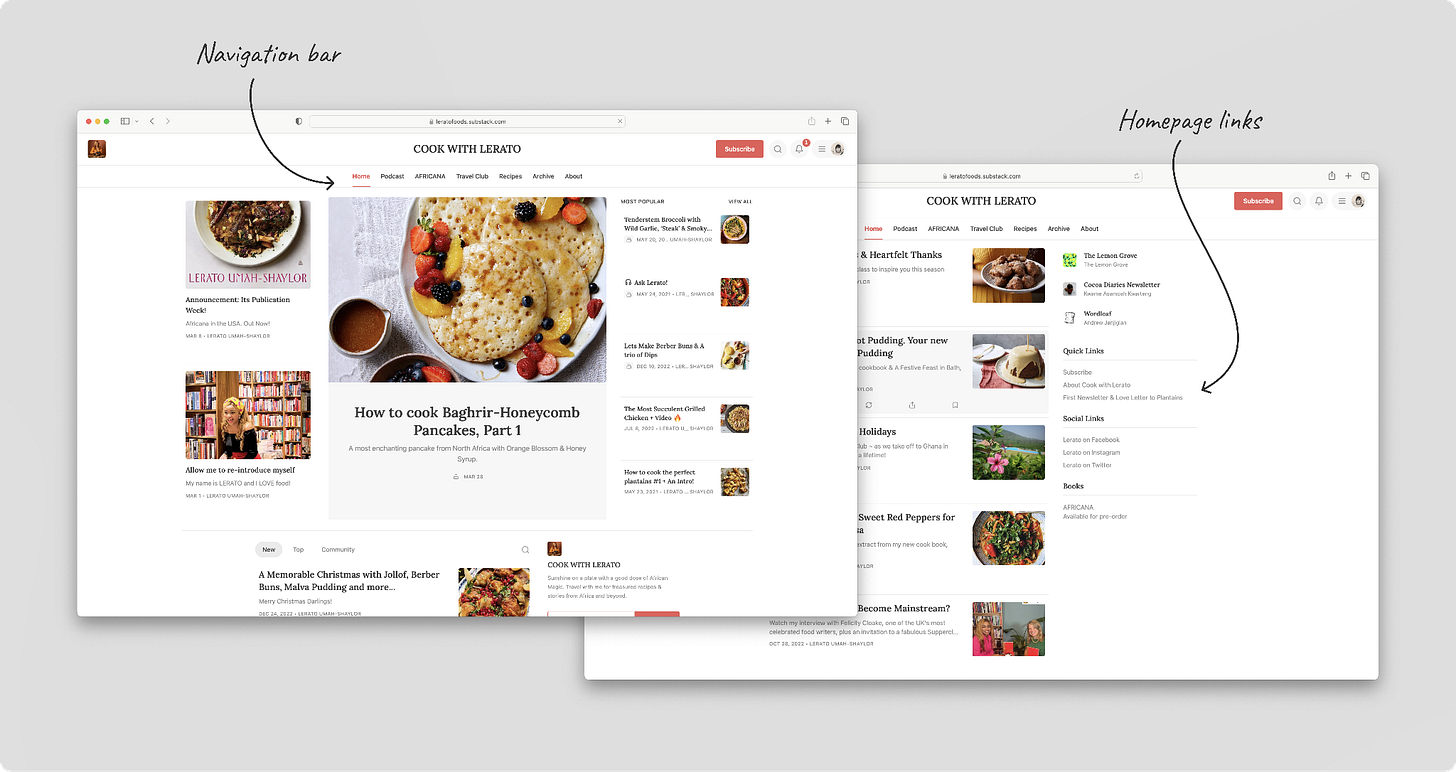
By July 2018, Substack hosted more than 11,000 paying subscribers across roughly 40 publishers[5]. Writers typically charged around $80 per year, and the platform’s 10 percent cut began to generate modest revenue. The straightforward value proposition – publish great work, own your audience, keep 90 percent of the revenue – resonated with independent journalists who had grown frustrated with Facebook’s algorithm changes.
The focus on subscriptions, however, limited growth because many readers were not yet accustomed to paying for newsletters. The company needed to prove that this model could scale.
By late 2019, Substack had attracted writers like Heather Cox Richardson (whose history/politics newsletter would become one of Substack’s top publications) and Andrew Sullivan (a veteran blogger). This influx built Substack’s reputation as a hub for independent journalism and niche expertise.
Your call
It is mid-2017 and you are one of Substack's three founders, deciding what the product will charge for before the first newsletter ships. Advertising lets writers publish free and starts revenue flowing from day one; paid subscriptions mean slower growth and asking readers for money on behalf of writers nobody knows yet. Each model pays a different master: one optimises for attention, the other for renewal. Pick your revenue model, then trace the second-order effects: what kind of writers each model attracts, what those writers will produce to satisfy it, and what the platform becomes in five years as a result. Name the early signal that would tell you the incentives are curdling.