
TSMC
How a “boring” foundry became the choke point of the economy
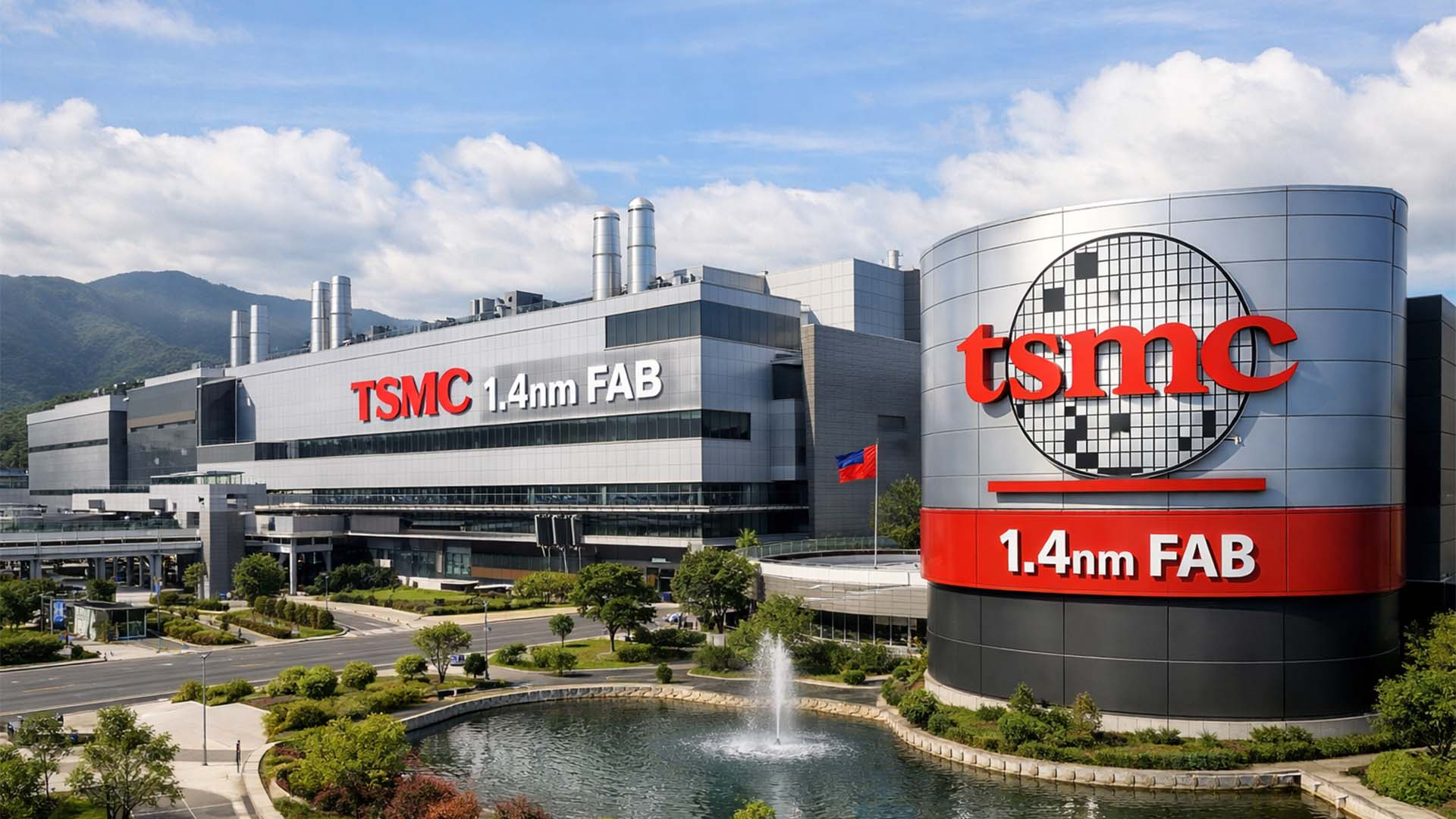
Original Business Case Weekly articleAs of January 2026, Taiwan Semiconductor Manufacturing Company (TSMC) exists as the single most critical point of failure in the global economic infrastructure.
With a market capitalization surpassing $1 trillion and Taiwan hosting roughly 92% of the world’s most advanced semiconductor manufacturing capacity, TSMC has transcended the definition of a firm to become a geopolitical entity.
This case study provides an exhaustive analysis of TSMC’s trajectory from an experimental government project in 1987 to its global supremacy in late 2025.
I. The Pre-History and The Foundry Hypothesis (1950s–1987)
The Taiwanese Economic Imperative
To understand the genesis of TSMC, one must first understand the economic anxiety of Taiwan in the 1970s and 80s. Following the post-war boom, Taiwan had established itself as one of the “Asian Tigers,” primarily through light manufacturing–textiles, plastics, and toys.
However, government technocrats, led by the visionary Minister K.T. Li, recognized that this model had a ceiling. Rising labor costs would eventually erode Taiwan’s advantage against emerging economies like China and Vietnam. Taiwan needed to leapfrog up the value chain into high technology.
The government established the Industrial Technology Research Institute (ITRI) in 1973 and the Hsinchu Science Park in 1980, modeled after Stanford Research Park. Early efforts included a technology transfer deal with RCA in 1976, which trained a cadre of Taiwanese engineers in basic semiconductor manufacturing.
By the mid-1980s, Taiwan had a handful of small chip companies (like UMC, founded in 1980 as a spinoff of ITRI), but they were technologically backward, producing low-margin chips for digital watches and toys. They had no design capability and no brand power in the US market.
The Morris Chang Recruitment
In 1985, K.T. Li recruited Morris Chang to become the president of ITRI. Chang was a titan in the US semiconductor industry. Born in mainland China and educated at Harvard, MIT, and Stanford, Chang had spent 25 years at Texas Instruments (TI), rising to become the Group Vice President responsible for the global semiconductor business. He was known for his intellect and his ferocious demand for yield improvement.
The Problem: IDM Wall
Upon arrival, Chang assessed Taiwan’s semiconductor landscape and found it bleak. The global industry was dominated by Integrated Device Manufacturers (IDMs) like Intel, Motorola, Texas Instruments, NEC, and Toshiba. The IDM model was vertically integrated: you designed the chip, you built the factory (fab), you manufactured the chip, you tested it, and you sold it. This required massive capital, massive R&D for both design and process, and massive marketing arms.
Taiwan had none of these.
No Design Talent: There were virtually no world-class chip designers in Taiwan.
No Marketing: Taiwanese firms had no brand presence in the US or Europe.
No IP: The patent portfolios belonged to the Americans and Japanese.
1987: The Pure-Play Decision
Chang proposed a radical, unheard-of business model: a “Pure-Play Foundry.” This company would design nothing. It would produce no own-brand products. It would not compete with semiconductor companies; it would serve them. It would focus exclusively on manufacturing chips designed by other companies.
Alternatives Considered:
Option A: The IDM Follower. Build a standard chip company designing low-end logic or memory. The conventional wisdom suggested building a Taiwanese IDM–a “Mini-Intel.” → Likely failure. Margins would be crushed by Japanese dumping (which was happening in DRAM at the time). Chang knew that competing against the Japanese and Americans on their own turf, with their own model, was suicide.
Option B: Packaging and Testing. Focus on the labor-intensive back-end. → Low barrier to entry, low value-add. Not a path to becoming a developed nation.
I paused to think about what we had in Taiwan. We didn’t have the strength in research and development or circuit design... We had no strength in sales and marketing... The only possible strength we had was semiconductor manufacturing.” – Morris Chang
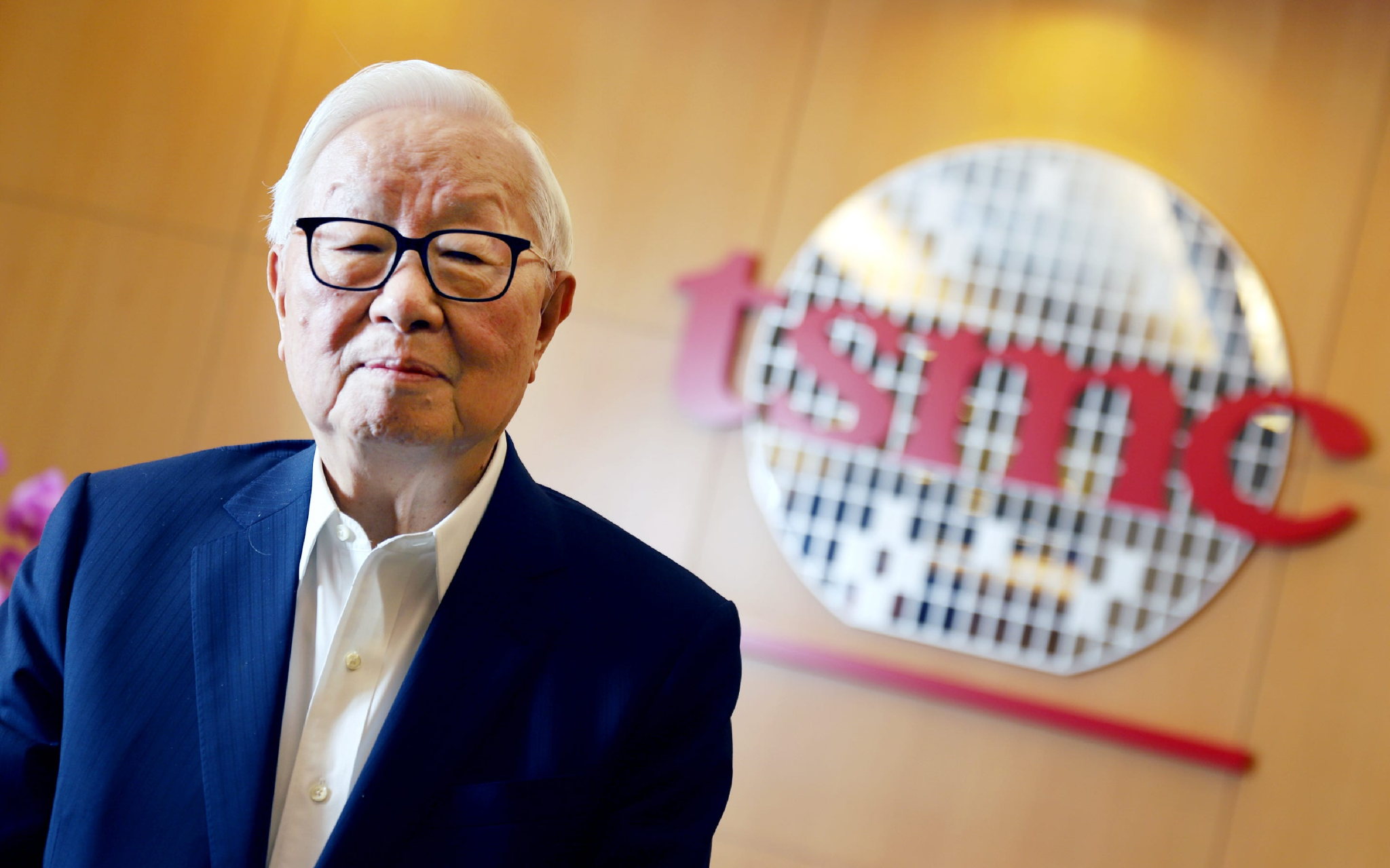
Chang noticed one strength: Taiwan had very disciplined, high-quality engineers who were excellent at manufacturing process control. They followed instructions with precision and could iterate on yield improvements relentlessly.
Your call
You are advising Taiwan’s government in 1986. The country has little chip-design talent, no global semiconductor brand, and limited capital. You can fund a conventional integrated manufacturer, remain in lower-value packaging and testing, or back Morris Chang’s unproven pure-play foundry that promises never to compete with its customers. Which model do you fund, what milestone must it reach within three years, and what would make you stop?