
Patagonia
Paradox of responsible growth
Original Business Case Weekly articleI. DESTRUCTION AS A BYPRODUCT OF EXCELLENCE (1957–1972)
The genesis of Patagonia does not begin with textiles or fashion, but with the ringing of a hammer on an anvil in a backyard in Burbank, California. It begins with a fundamental contradiction that would haunt the company for decades: the realization that the pursuit of technical perfection can inadvertently lead to environmental degradation.
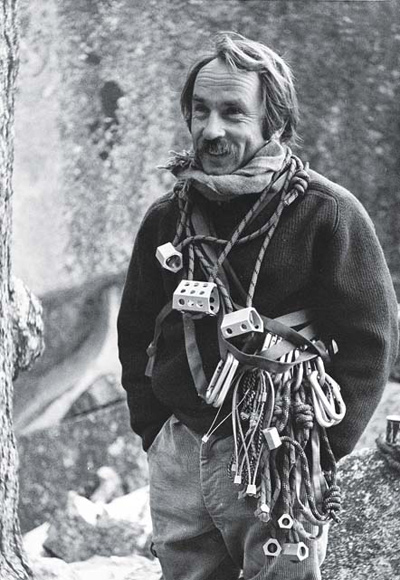
Yvon Chouinard, the reluctant founder, was not a businessman by training or inclination. He was a craftsman and a climber. In 1957, the prevailing climbing technology was European—soft iron pitons that were designed to be hammered into a rock crack once and left there, a permanent scar on the mountain and a recurring cost for the climber. Chouinard, viewing this as both economically inefficient and aesthetically offensive, purchased a used coal-fired forge, a 138-pound anvil, and a set of tongs from a junkyard.
He taught himself blacksmithing, focusing on creating a reusable piton made of chrome-molybdenum steel. These were stronger, stiffer, and could be driven into a crack and removed, allowing for their repeated use. The innovation was immediate and transformative. Climbers could ascend routes with fewer pieces of gear, trusting their lives to the superior metallurgy of Chouinard’s craft. By 1970, Chouinard Equipment had become the largest supplier of climbing hardware in the United States, commanding approximately 75 percent of the market. The business was profitable, the brand was dominant, and the product was widely considered the best in the world.
The Ecological cost of Hardware Dominance
However, the operational success of Chouinard Equipment masked a growing ecological catastrophe. The very durability of Chouinard’s steel pitons—their primary selling point—was destroying the granite faces of Yosemite Valley. As the sport of climbing exploded in popularity during the 1960s, the traffic on famous routes like El Capitan increased exponentially. Every time a climber hammered a hard steel piton into a crack and then hammered it back out, the rock was pulverized. Cracks widened. Flakes sheared off. The pristine granite was being disfigured by the cumulative impact of the technology designed to conquer it.
Chouinard and his business partner, Tom Frost, were confronted: they were killing the sport they loved. The piton business accounted for 70 percent of their revenue. The market demand was insatiable. To discontinue the product would be financial suicide according to any conventional business metric. Yet, to continue was an ethical violation that Chouinard could not reconcile.
The 1972 Pivot: Clean Climbing as a Market Force
Your call
You run Chouinard Equipment in 1972. Pitons are the core revenue line and damage the rock; removable aluminum chocks are unfamiliar, harder to trust, and not yet a market. Do you phase pitons out immediately, fund both systems during a transition, or wait for climbers to change first? What responsibility does the category leader have for creating demand for the safer substitute?