
Porsche
The anomaly of Zuffenhausen
Original Business Case Weekly articleIn the global automotive landscape, Porsche AG represents a persistent, structural anomaly.
It is a manufacturer that produces over 300,000 vehicles annually—a volume that typically dictates mass-market commoditization—yet it retains the operating margins of a luxury fashion house, consistently exceeding 16%.
It is a public company with a market capitalization rivaling established industrial conglomerates, yet it remains under the tight, often suffocating control of two feuding billionaire families, the Porsches and the Piëchs. It is a brand built on the purity of rear-engine sports cars that generates the bulk of its profit from heavy SUVs and sedans.
The history of Porsche is not a linear trajectory of calculated growth. Unlike Ferrari, which remained a low-volume boutique guarded by Fiat, or BMW, which remained a steadfast independent volume player, Porsche has oscillated between the roles of a niche engineering consultancy, a fragile family heirloom, a predatory hedge fund disguised as a carmaker, and finally, the crown jewel of the Volkswagen Group empire.
This case study analyzes the operational and strategic mechanics behind Porsche’s evolution: the founding struggle for product identity, the operational turnaround of the 1990s, and the financial and technological gambles of the 21st century.
The central tension throughout this history is the conflict between engineering purity (the “Weissach” culture) and commercial scale (the “Zuffenhausen” reality). Every major crisis in the company’s history stemmed from an imbalance between these two forces; every major success came from their successful integration.
PART I: THE GENESIS AND THE ENGINEERING OF SCARCITY (1931–1972)
The Consultant’s Trap: “Konstruktionen und Beratung”
To understand Porsche’s modern strategy, one must analyze its origins. Ferdinand Porsche founded the company in Stuttgart in 1931 not as a manufacturer, but as a design bureau: Dr. Ing. h.c. F. Porsche GmbH, Konstruktionen und Beratung für Motoren- und Fahrzeugbau (Design and Consultancy for Engine and Vehicle Construction). The firm’s capital was intellectual, not industrial. They were mercenaries of engineering, hired by Wanderer, Zündapp, and ultimately the Nazi government to design the “People’s Car” (Volkswagen).
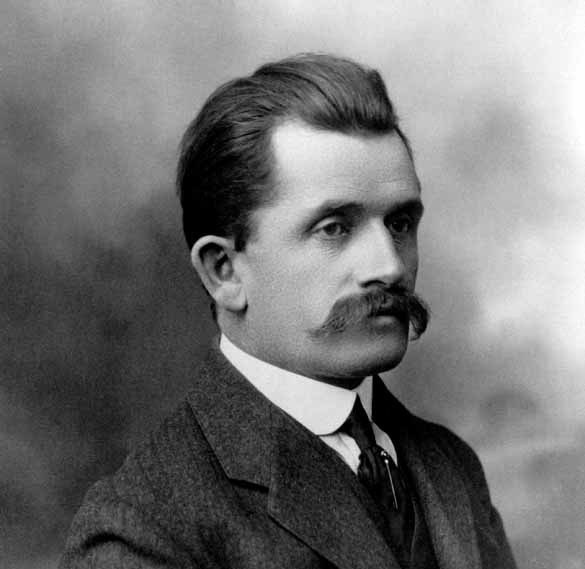
Following World War II, the company was shattered. Ferdinand Porsche was imprisoned in France (Dijon) on allegations of war crimes due to his industrial involvement with the regime. The firm had relocated to a converted sawmill in Gmünd, Austria, to escape Allied bombing. Ferry Porsche, Ferdinand’s son, was left to manage a firm with no cash, no factory, and a father in prison. The European market for automobiles was non-existent; the market for sports cars was theoretical. The French authorities demanded a ransom for Ferdinand’s release, further draining the family’s meager liquidity.
Ferry Porsche faced a binary choice: continue as a design consultancy (selling patents and services to others) or become a manufacturer. The consultancy model was low-risk but low-reward, dependent on the recovery of other industrial giants.
Manufacturing required capital the family did not have. Ferry chose to manufacture. He famously stated, “I could not find the car I’d been dreaming of, so I decided to build it myself.” This was not merely a romantic notion; it was a desperate attempt to monetize the VW component supply chain they knew intimately.
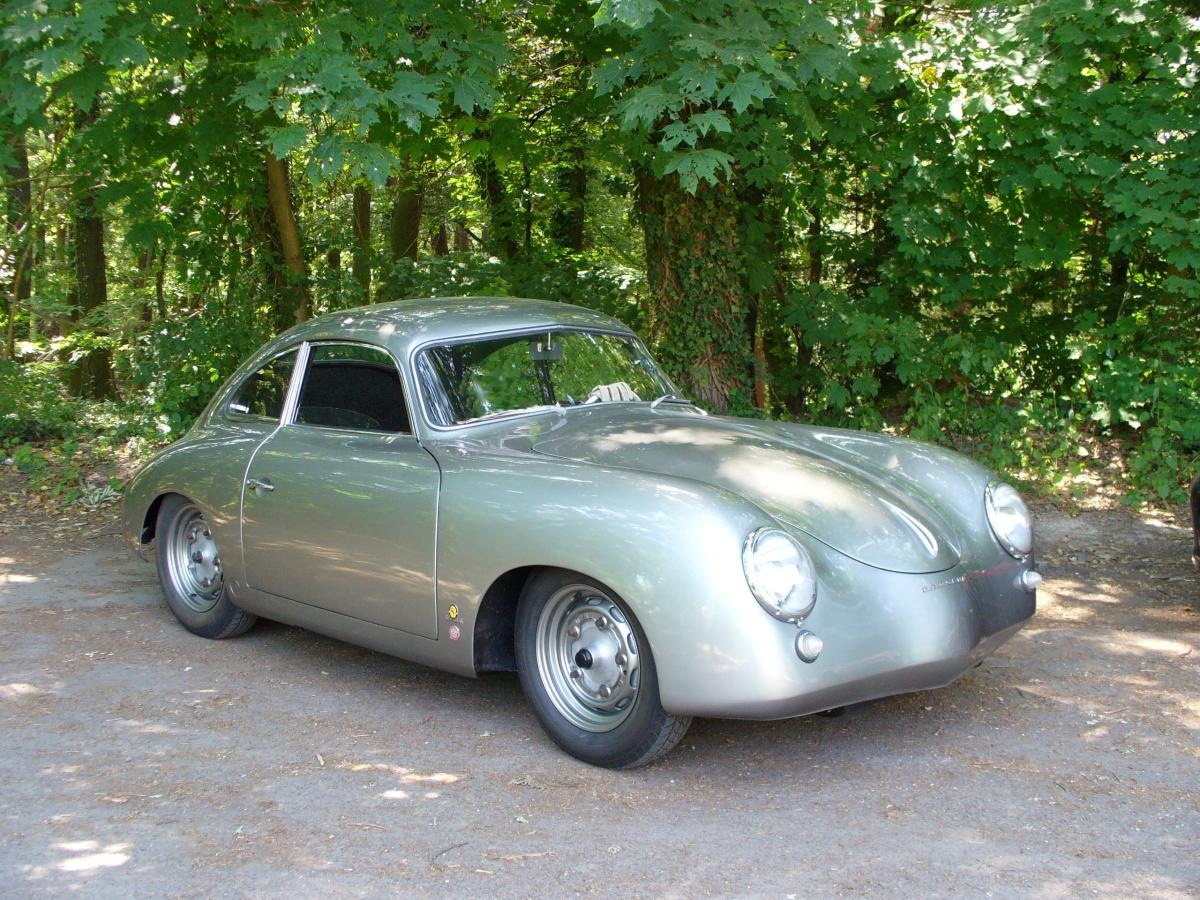
The first car, the 356, was an exercise in resource constraints. It used the Volkswagen Beetle’s suspension, steering, and engine case, modified for performance. To fund operations, Ferry negotiated a contract with the new management of Volkswagen (led by Heinz Nordhoff). Porsche would serve as VW’s consulting engineers and, crucially, would receive a royalty fee (roughly 5 Deutsche Marks) for every Beetle sold. This royalty stream provided the baseline cash flow that allowed Porsche to survive the lean years of the 1950s. The 356 established the brand’s archetype: air-cooled, rear-engine, lightweight, and reliable enough to be driven daily. It was not the fastest car (Ferrari held that crown) nor the most luxurious (Jaguar), but it was the most usable sports car.
The Succession Crisis and the Birth of the 911
By the late 1950s, the 356 was obsolete. The company needed a successor to compete with the rising power of Jaguar and Mercedes-Benz. This transition exposed the first major internal conflict between design and engineering—a dynamic that would define the company for decades.
Ferry’s eldest son, Ferdinand Alexander “Butzi” Porsche, led the design. He envisioned a car that retained the rear-engine layout but offered more space and power (the 901, later 911). The engineering chief, Erwin Komenda, who had worked with Ferdinand Sr. on the Beetle, resisted Butzi’s interference, altering designs to suit production stamping tools. The conflict paralyzed the development process. Komenda prioritized manufacturability; Butzi prioritized silhouette and aesthetic purity.
Your call
You are Ferry Porsche as the 356 ages. Butzi’s rear-engine design preserves the silhouette but is expensive and difficult to manufacture; engineering chief Erwin Komenda wants changes that fit existing tools. Which side do you back, what part of the design is non-negotiable, and what cost overrun would make you reopen the decision?