Stripe
Building the Economic Layer of the Internet
Original Business Case Weekly articleIntroduction
Patrick and John Collison grew up in rural Ireland tinkering with computers. By their teens they had already built Auctomatic, an automated tool for eBay sellers. After selling Auctomatic for about $5 million in 2008 they moved to San Francisco, not entirely sure what to do next.
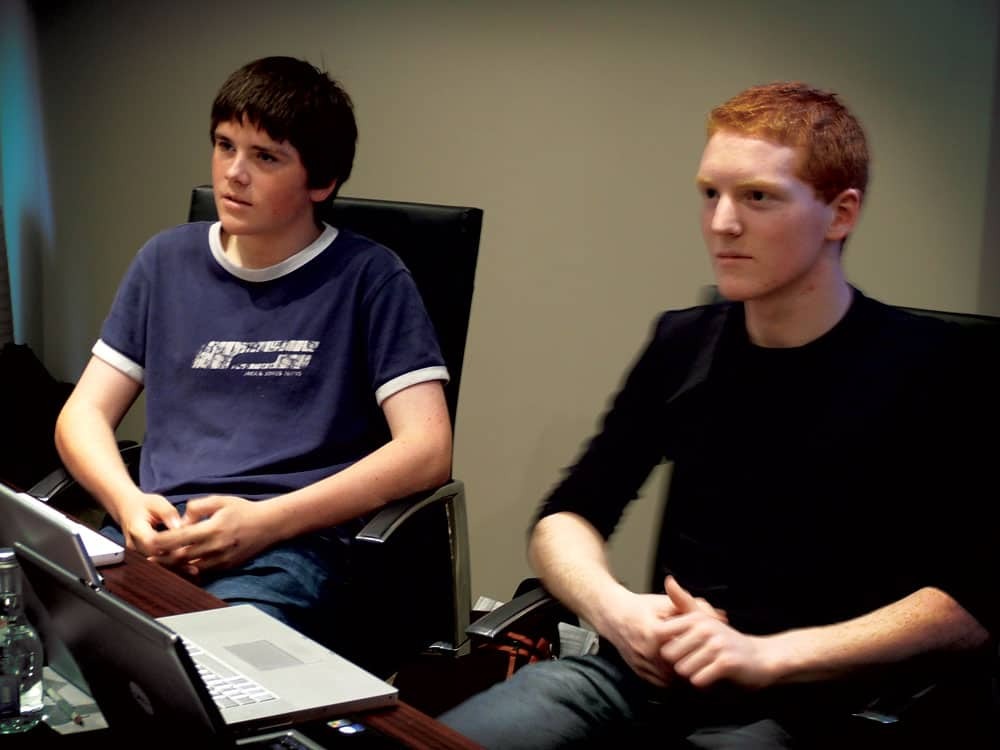
In 2012 Patrick recalled that the Internet lacked a functional economic layer: “payments and the broader economic foundation of the web were really shaky… it’s manual and difficult to make an online payment”[1]. PayPal had never fully solved the problem; only a small fraction of global transactions happened online, cross‑border transfers were cumbersome, and the financial APIs that did exist were byzantine and expensive. The brothers experimented with prototypes that could embed payments directly into code and realised that a simple, developer‑friendly API could be transformative. They called their project SlashDevSlashFinance, later renamed Stripe.
But in the 2010s the payment industry was dominated by giant processors and banks with little incentive to make it easy for start‑ups.
“If you knew how hard it is to break into these industries, you wouldn’t even try”, Peter Thiel, PayPal co-founder later recalled.
Rather than waiting for customers, they went directly to potential users. Paul Graham described their early user‑acquisition tactic: they would pitch founders and if someone said they’d try Stripe “they’d say ‘Right then, give me your laptop’ and set them up on the spot”[2]. The strategy allowed Stripe to onboard early adopters quickly and refine the product in partnership with real users. This hands‑on approach proved more effective than marketing campaigns because it created trust and generated word‑of‑mouth among developers.
Bootstrapping Growth and Public Launch (2010‑2011)
A product was not enough; payments required relationships with financial institutions and card networks that were sceptical of new entrants. To show credibility, Stripe secured seed funding from some of the most respected investors in Silicon Valley. Early backers included Sequoia Capital, Andreessen Horowitz, SV Angel, Peter Thiel, Elon Musk and Max Levchin. In retrospect Patrick observed that landing Sequoia, Thiel and a16z all together created a signal for banks they needed to work with.[4].
This strategic choice – prioritising investors with brand recognition – unlocked partnerships with payment networks and allowed Stripe to operate as a legitimate payment processor.
Your call
You are the Collison brothers during private beta. Building on an existing processor gets the product to market faster; owning more of the payments stack raises regulatory and capital demands but gives control over the developer experience. Which boundary do you own at launch, and what partner failure would trigger bringing another layer in-house?