
ARM
Case Study of How to Sell Chips Without Making a Single One
Original Business Case Weekly articleHow does a company that doesn’t build chips power nearly every smartphone on the planet? Discover the rise of ARM. Case Study of licensing kings reshaping computing.

Early roots: responding to constraints (1983–1990)
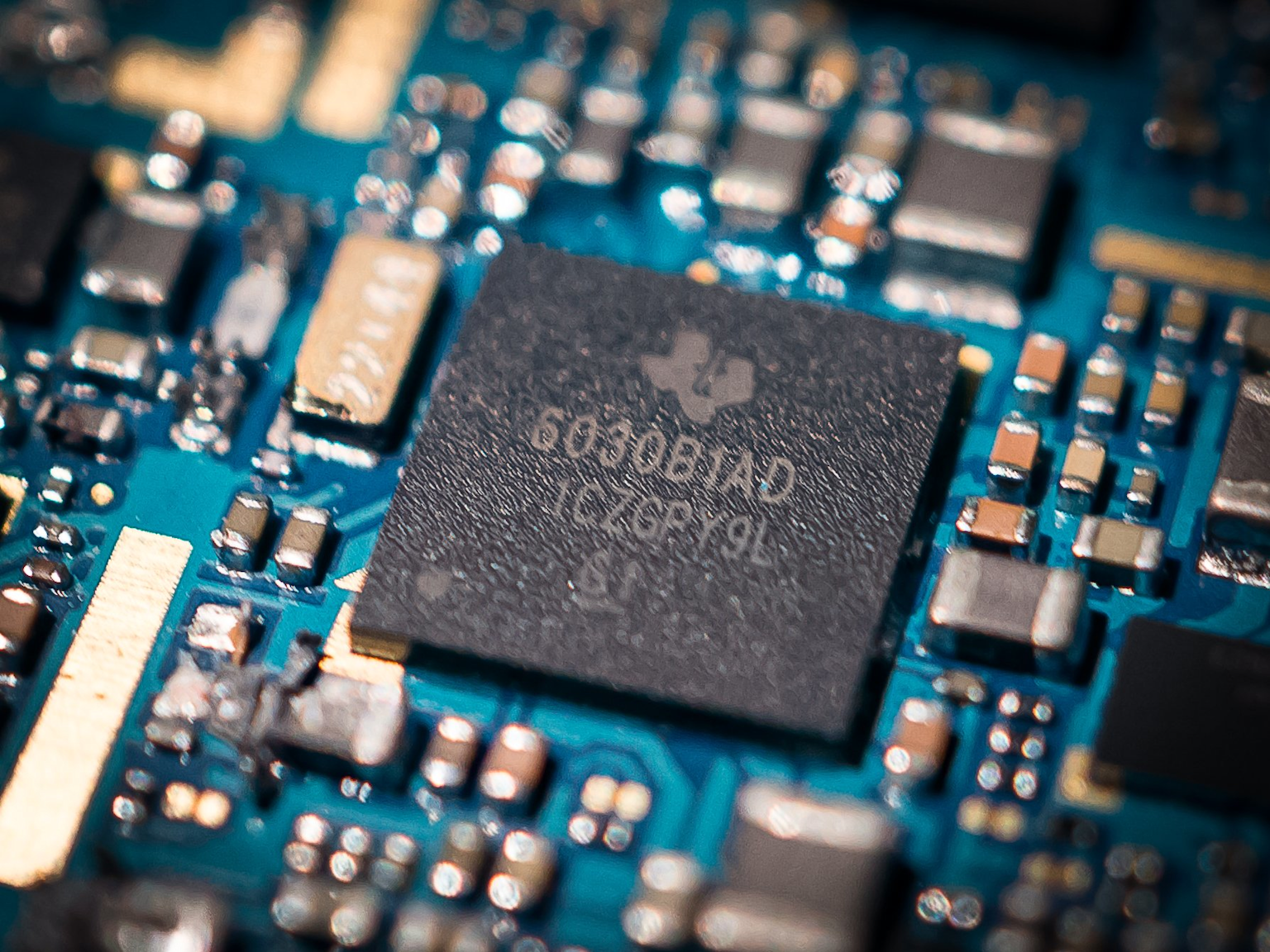
By the early 1980s the British home‑computer boom that had propelled Acorn Computers began to stagnate. Acorn engineers Sophie Wilson and Steve Furber examined the 16‑bit processors on the market — Intel’s 80286, the National 32016 and Motorola’s 68000 — and found an issue: they wasted memory bandwidth, were slow and difficult to program[1].
Your call
You are Acorn’s technical lead after concluding that available processors are too complex, slow, and expensive for the machine you need. Designing a new reduced-instruction chip can exhaust a small company; buying an imperfect commercial processor preserves schedule. Which path do you choose, and what prototype result must the internal design reach before it earns another year?